 #Careers
#Careers
13.03.2026
Collaboration among researchers: How to overcome communication challenges and strengthen partnerships
Connecting with professionals from other fields involves not only technical expertise but also interpersonal skills
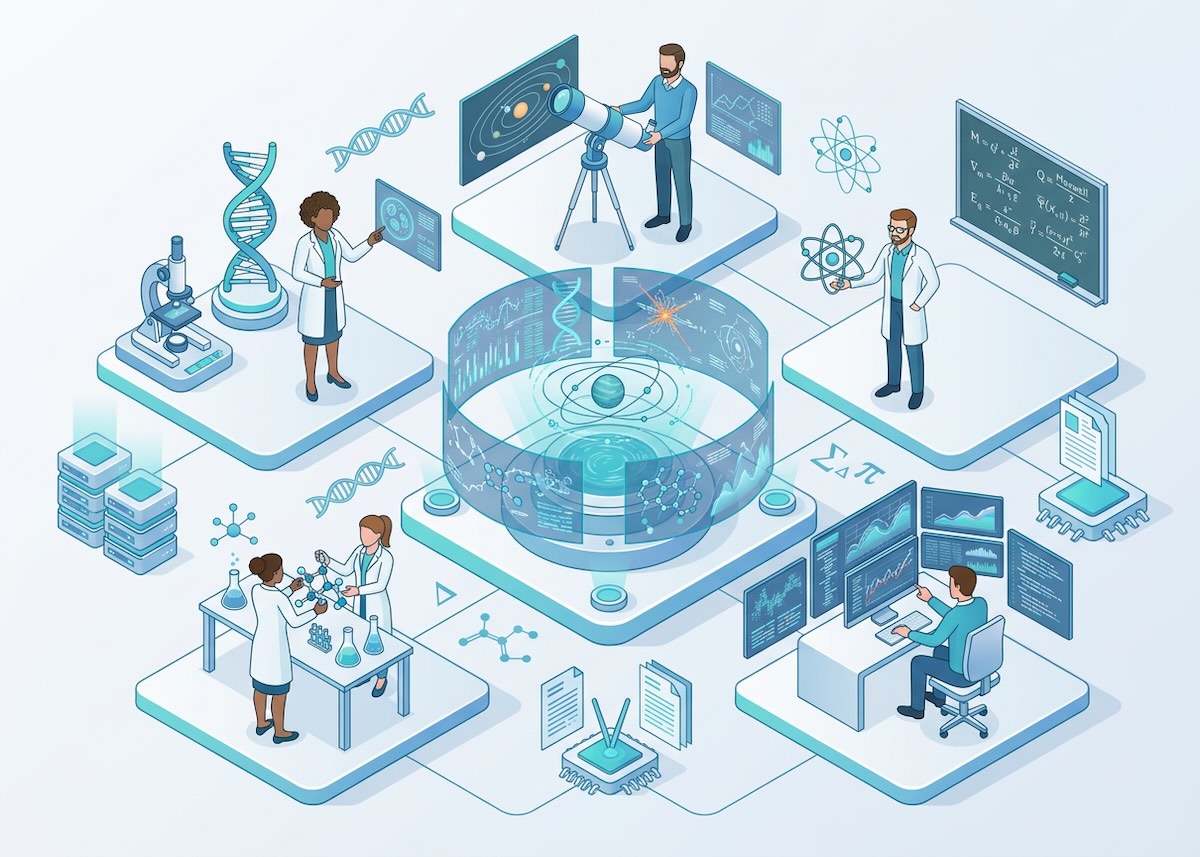
 According to researcher Lis Leão, building genuine connections with research colleagues is essential | Image: Unsplash
The process of scientific research involves multiple stages. Many projects require collaboration with researchers from other fields—an exchange that can enrich a study, especially when addressing complex and global issues.
When reaching out to other professionals, many academics may encounter a challenge: communication difficulties. However, this problem can be addressed through specific strategies, helping ensure that the work progresses effectively.
Moreover, building connections with others requires interpersonal skills to establish a healthy working relationship with collaborators.
The need for strong interpersonal relationships
In an interview with Science Arena, researcher Lis Leão from Einstein Hospital Israelita and a leading authority on studies related to nature, health, and well-being, emphasized that when a researcher seeks someone to collaborate on a project, the other person’s interest must be genuine.
“You also need to actively seek information about the person joining your team, in order to understand what they do,” said Lis Leão. “It involves a combination of technical expertise and interpersonal skills,” she added. According to the researcher, the “scientific contract” emerges from the relationship itself, rather than the other way around.
To illustrate this point, she offered an example: in Europe, it is common for researchers to publish open calls on online platforms in the hope that someone will express interest in a particular field of study. However, this kind of spontaneous interaction is not easy to achieve, largely because it requires a prior relationship between the individuals involved. “You have to build a relationship based on trust,” she emphasized.
Watch Lis Leão’s full interview with Science Arena here:
The importance of a common language
When a researcher establishes a connection with another professional, it is crucial to develop a common language. Conversations often involve technical terms that can make mutual understanding difficult.
In such cases, Leão recommends the use of metaphors to facilitate communication. She gives an example: when she wants to discuss the idea of caring for both people and the planet, she might ask a data scientist collaborating on the project how they typically “care” for the data they collect.
“By doing that, I create a space where it is easier to have a conversation. You explain how you care for the data, and I try to understand the concepts behind it,” she said.
Celebrating others’ achievements
Relationships with collaborators go beyond achieving individual research goals. Another important aspect is strengthening these bonds. One way to do this is by celebrating colleagues’ achievements, for example, when they publish a research paper. “Anyone involved in science knows what it takes to accomplish these things,” Leão noted.To read more about the importance of building and maintaining ties with researchers from other scientific fields, see the interview in this Science Arena article.
*
This article may be republished online under the CC-BY-NC-ND Creative Commons license.
The text must not be edited and the author(s) and source (Science Arena) must be credited.