15 / July / 2026 Researchers seeking to innovate must test hypotheses beyond the lab Camila Hernandes Pinheiro, innovation director at Einstein Hospital Israelita, explains the difference between invention and innovation—and how to turn research into business By Juliana Protásio
07 / July / 2026 Writing research articles and proposals requires different skills Authors compile recommendations for researchers at every career stage, from PhD students to senior faculty members, to help them develop their academic writing and improve their chances of securing funding By Rodrigo de Oliveira Andrade
02 / July / 2026 What hinders interdisciplinary researchers Australian study links interdisciplinary careers to temporary contracts, slow career progression, and lower pay By Daniel Dieb
29 / June / 2026 Early-career research supervisors must foster integration and provide emotional support A paper published in PLOS Computational Biology offers practical guidance on defining project scope, promoting autonomy, and embracing open science for supervisors starting out By Rodrigo de Oliveira Andrade
26 / June / 2026 Europe proposes minimum standards to protect researchers Science Europe report calls for job stability, salary transparency, social security, and better prospects in academia By Daniel Dieb
25 / June / 2026 Young researchers under growing pressure to remain in science Nature Index survey reveals less autonomy, greater risk of leaving research, and generational differences over impact and open access By Daniel Dieb
22 / June / 2026 Why feeding AI with documents is not enough for high-quality scientific review Researcher recommends an incremental approach to analyzing papers, enabling greater control, traceability, and critical thinking By Juliana Protásio
19 / June / 2026 AI shifts from competitive edge to key competence for researchers ResearchComp update highlights the need for researchers across all fields to understand the uses, limitations, and risks of the technology By Daniel Dieb
15 / June / 2026 Scientific writing: a step-by-step guide to the ethical use of AI Tools can automate tasks and refine text, but transparency and human involvement remain the cornerstones of scientific output By Juliana Protásio
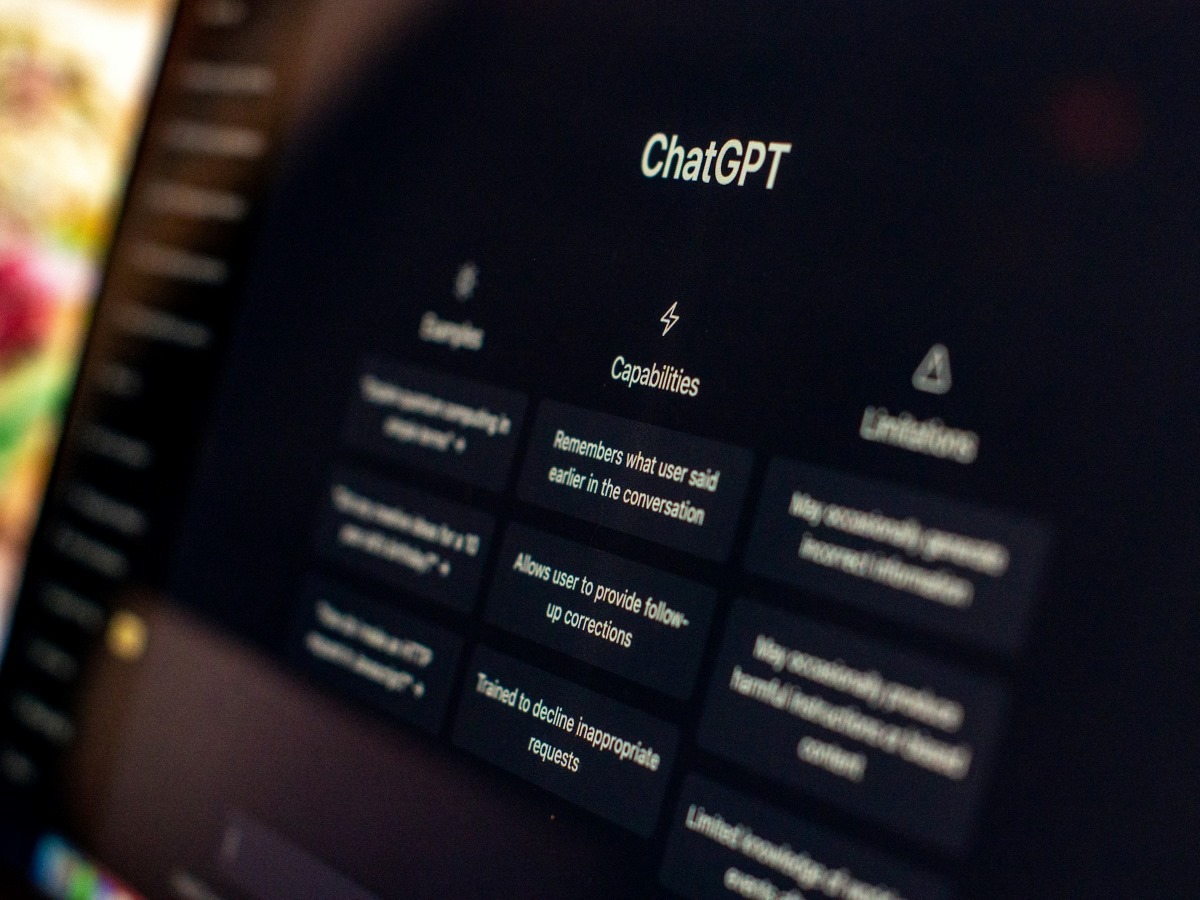
11 / June / 2026 ChatGPT and other AI redefine scientific literature review Study shows how tools such as ChatGPT, Elicit, and Research Rabbit can speed up literature reviews without replacing researcher analysis By Arthur Almeida