 #Careers
#Careers
10.03.2026
Relationships with researchers from other fields: how does this interaction enrich a research project?
When developing a study on a particular topic, it is important for researchers to adopt a broader perspective on the subject
 Lis Leão, a researcher at Einstein Hospital Israelita: “Collaboration is the modus operandi of doing science.”
Maintaining ties with other researchers is fundamental to the scientific field. This contact brings various benefits to both professionals and the projects they develop; it becomes even more essential in a context where many of the challenges faced by society are global in scope.
In an interview with Science Arena, researcher Lis Leão, a leading expert in studies on nature, health, and well-being from Einstein Hospital Israelita, emphasized that conversations with others allow professionals to perceive new nuances of a given topic.
In this way, Brazilian researchers can gain different perspectives on their work when interacting with colleagues from other countries, for example. The same effect can also occur among professionals in Brazil from different states.
Check out the full interview with Lis Leão at Science Arena:
Collaboration as a way to enrich research
Building and maintaining relationships with professionals from other locations adds value to research projects, broadening the work presented to society, especially when addressing complex issues.
But how can a researcher know whether they need to seek out new contacts to better develop their project? According to Leão, the first step is to determine whether the topic has interdisciplinary relevance. This involves first reviewing scientific literature on the subject and then identifying the authors involved in those publications.
“The second step is to make a list of people of interest and set up alerts to follow their work when new articles are published,” she advised. Researchers can then attend lectures given by these professionals and, at the end of the event, try to speak with them, explain their project, and ask for a way to stay in touch.
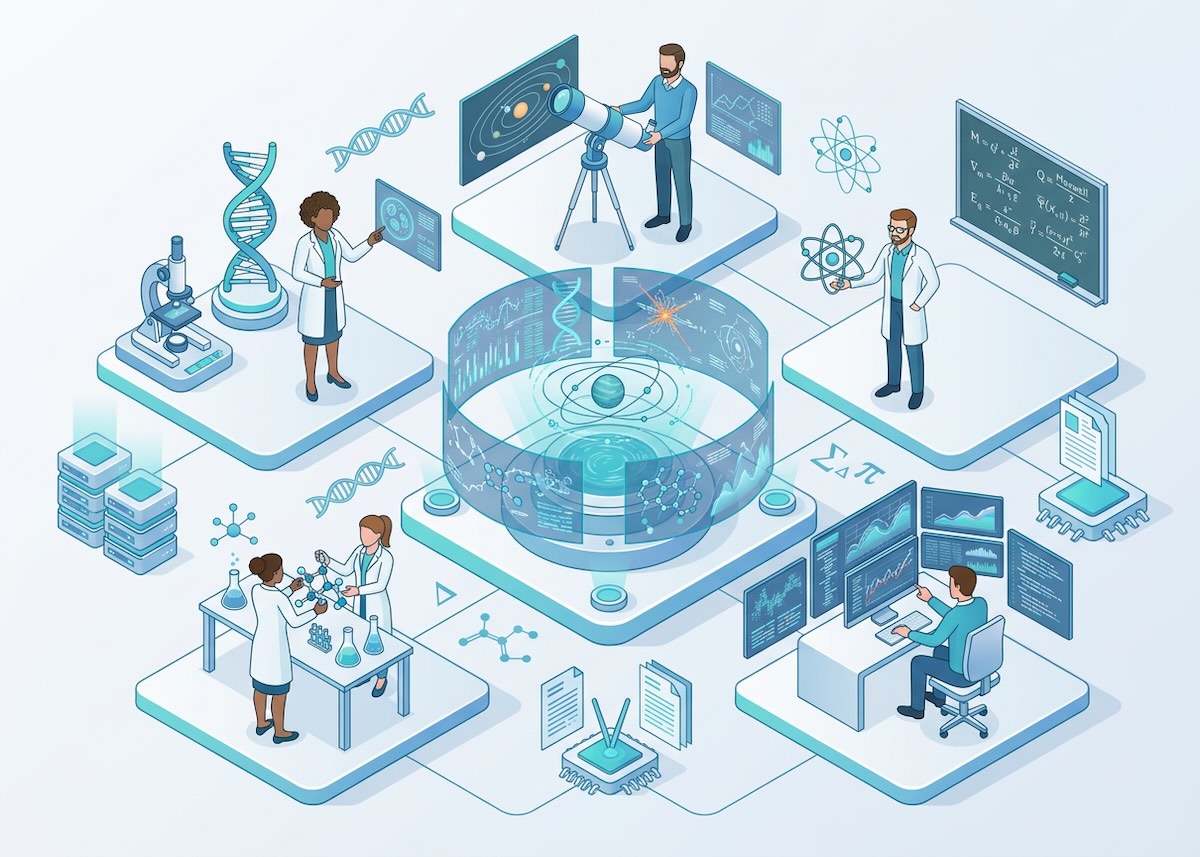
In one of her most recent projects, Lis Leão reported working with an engineer, a physician, a geologist, and a photographer from National Geographic. She also collaborated with a nurse and several biologists. “They all have diverse expertise. Some are strong in biology, others in mathematics,” she added.
In this way, it becomes possible to build scientific relationships based not only on technical expertise but also on interpersonal skills. For this reason, interest in the other person’s work must be genuine.
Big problems require many people
Beyond identifying authors of relevant publications, researchers can also meet potential collaborators through their advisors, who may introduce them to various contacts.
“Collaboration is the modus operandi of science,” said Lis.
She also cited the COVID-19 pandemic, which required the production of studies by many scientists. “Because of their complexity, big issues require the coordinated efforts of people with diverse expertise,” she added.To read more about the importance of building and maintaining ties with researchers from other scientific fields, see the full interview in this Science Arena article.
*
This article may be republished online under the CC-BY-NC-ND Creative Commons license.
The text must not be edited and the author(s) and source (Science Arena) must be credited.