 #Careers
#Careers
04.03.2026
Scientific careers: how graduate school can turn hostile
Academic pressures can create a learning environment that is harmful to mental health
 According to neuroscientist Elisa Kozasa, academic advisors need emotional skills to deal with students experiencing anxiety, stress, or depression | Image: Unsplash
An academic career comes with various challenges that can affect the mental health of students, especially those pursuing a master’s degree or PhD. The pressures of research and hostile academic environments can lead to anxiety and elevated stress levels.
Many of the habits commonly adopted by students to tackle stress, such as drinking excessive amounts of coffee, do not help the body function effectively, ultimately exacerbating the problem.
Lack of purpose
Every academic has a unique profile and their own routine. Many have children and other jobs to supplement their income. In an interview with Science Arena, neuroscientist Elisa Harumi Kozasa, a researcher at Einstein Hospital Israelita, highlighted the importance of identifying research projects best suited to the life of an early-career researcher.
In addition to considering this before making a decision, it is essential to have a clear understanding of what the project entails. Without this sense of direction, graduate students may not see the purpose of their work and may even stop enjoying it.
To avoid this, Kozasa emphasizes the need for students to assess the demands of a project. “There are research projects where you really need to be full-time—when working in a laboratory or doing cell cultures, for example—and you need to be there every day to monitor what is happening without knowing exactly when the study will end,” she explains.
Advisors also play a key role in helping students establish their academic objectives. The neuroscientist adds that advisors need to understand a potential student’s circumstances before accepting them and should explain the research topic in more depth.
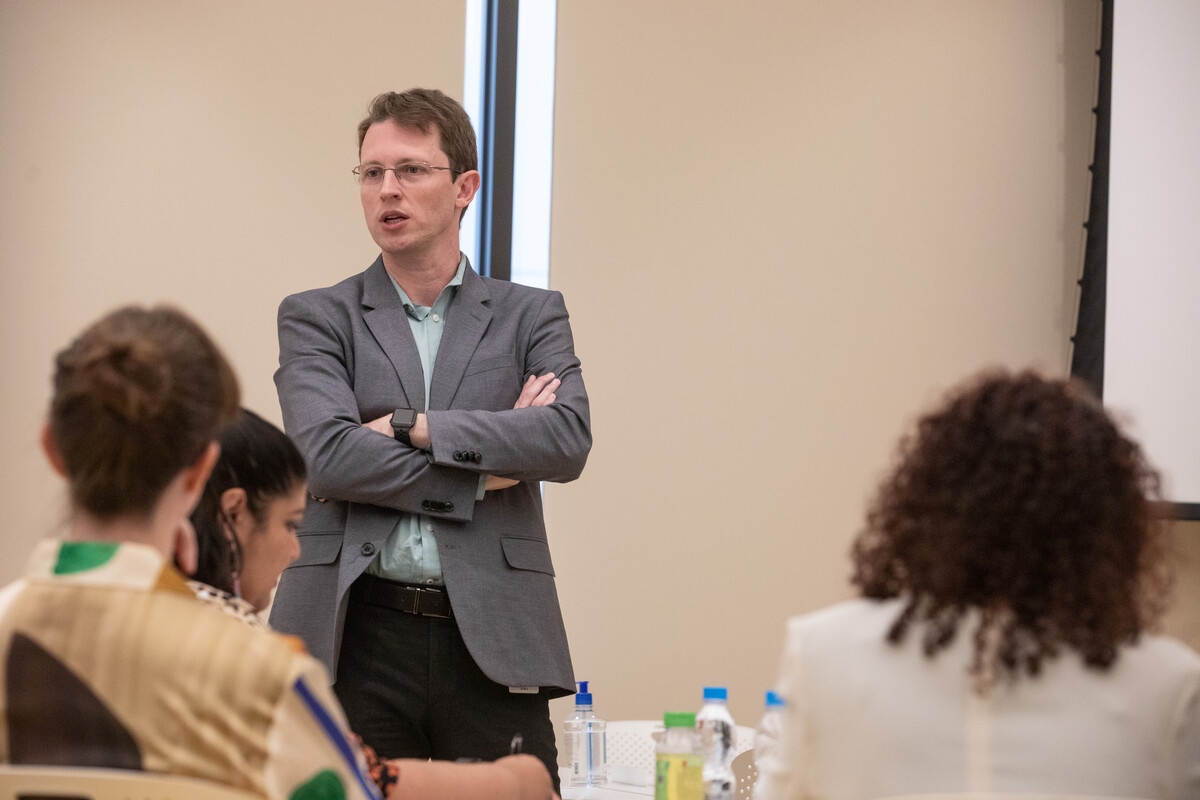
Watch the full interview with Elisa Kozasa on Science Arena:
The consequences of a hostile environment
According to Kozasa, the choice of an advisor should be based on more than just technical skills. She believes that to avoid creating a hostile environment, institutions should also take emotional skills into account.
“Often, students arrive excited to pursue a master’s or PhD. Then, suddenly, they become disillusioned, depressed, anxious, and they give up or even experience suicidal thoughts,” she says.
To make things worse, faced with the demands of their research, many students become isolated from their social circles.
And they can feel even more isolated if the academic environment is competitive or unfriendly.

Such isolation is harmful to an individual’s mental health, and social contact is essential for seeking support.
Kozasa explains that relationships are among the strongest protective factors for the mental health of young researchers.
Even those who are more introverted benefit from having two or three trusted people with whom they can share their struggles.
Watch out for bad habits
Those facing a stressful routine, tight deadlines, and high demands often turn to coffee or energy drinks.
According to Kozasa, excessive consumption of these drinks suggests that the person is already tired or overworked. “The solution is to rest,” she emphasizes.
Another healthy habit that helps relax the body and mind is physical activity. “There is a feedback mechanism from the body to the brain. When your brain senses that your body is more relaxed, it recognizes that the mind can also relax,” adds the neuroscientist.
Exercise is helpful, even when a student is feeling overwhelmed by the demands placed on them. For more discussion about mental health in graduate studies, read the full interview in this Science Arena article.
*
This article may be republished online under the CC-BY-NC-ND Creative Commons license.
The text must not be edited and the author(s) and source (Science Arena) must be credited.
Careers
#Careers
 #Careers
 #Careers