 #News
#News
#News
17.03.2026
Brazilian researchers warn G20 of “triple monotony” putting food system on the brink of collapse
A system that reduced hunger in the twentieth century is now fueling obesity epidemic and superbugs, scientists warn
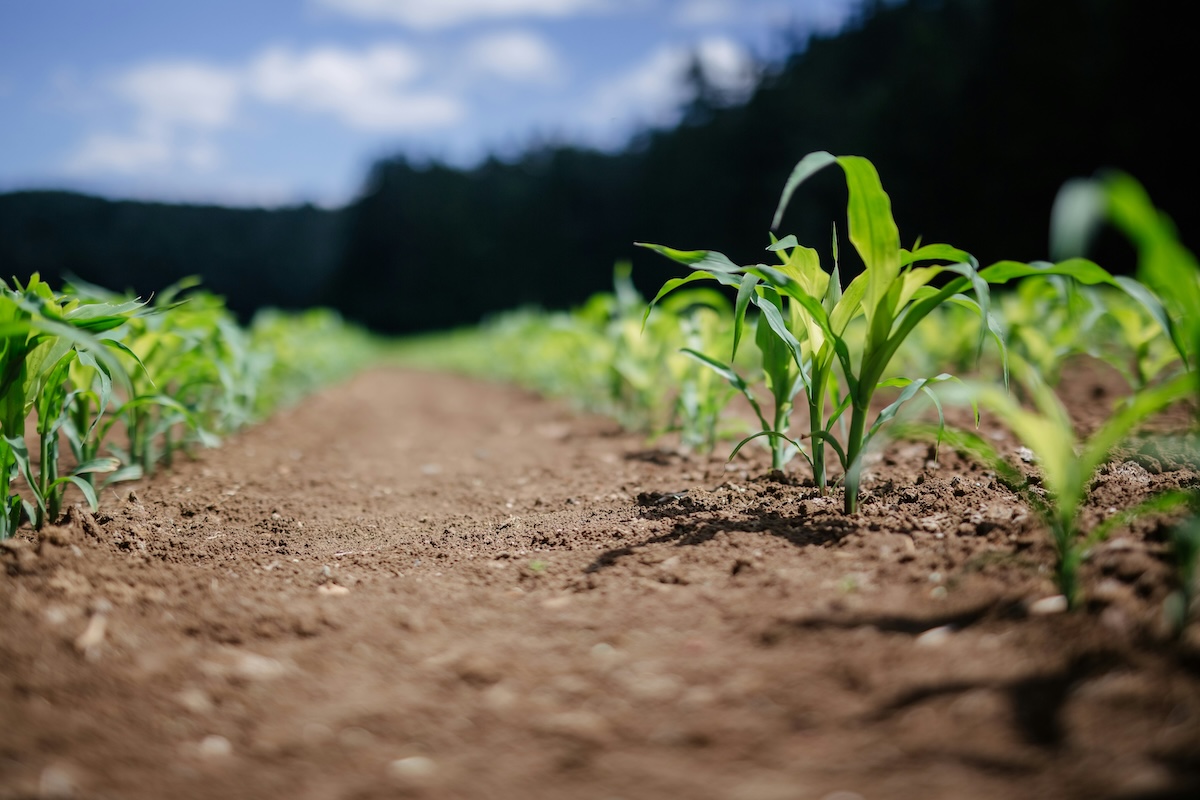 Wheat, corn, rice, potatoes, soy, and sugarcane account for 75% of the calories consumed globally, creating a food system that is vulnerable to climate crises and detrimental to health | Image: Unsplash
Task Force 4 at G20 in South Africa—a group dedicated to achieving the Sustainable Development Goals—incorporated the concept of “triple monotony” into its final report, warning of three interconnected crises in the global food system. The first is the excessive reliance on a small range of agricultural crops. The second is intensive livestock production, which drives the heavy use of antibiotics. The third is dietary monotony: the rising consumption of ultra-processed foods with hidden health costs.
The concept was introduced in a 2025 document by researchers from the Josué de Castro Chair and the Center for Epidemiological Research in Nutrition and Health at the School of Public Health of the University of São Paulo (FSP-USP), the Food of Tomorrow Institute, the French Agricultural Research Center for International Development (CIRAD), and the Brazilian Agricultural Research Corporation (EMBRAPA).
From the Green Revolution to planetary limits
The researchers argue that although global hunger has decreased over the past six decades, this achievement has relied on production methods, forms of industrialization, public policies, and scientific research programs that no longer meet today’s needs. On the contrary, they are testing the planet’s limits.
A decreasing number of crops accounts for an increasing share of global agricultural production, deepening dependence on water, nitrogen fertilizers, and pesticides.
At the same time, intensive poultry and pig farming leads to large numbers of animals being confined in small spaces, facilitating the spread of microorganisms. To tackle this problem, producers are increasingly resorting to the large-scale use of antibiotics, which can lead to the emergence of drug-resistant superbugs.
Six crop species feed three-quarters of the world
The impacts of this system extend beyond the fields. They are directly reflected in people’s diets, which are becoming increasingly monotonous.
75% of the calories consumed worldwide come from just six crop species: wheat, corn, rice, potatoes, soybeans, and sugarcane.
Ultra-processed foods are among the biggest culprits, with industrial formulations that offer an illusion of diversity in color and flavor, despite being made from an ever-smaller number of plant species.
Declining dietary diversity, rising consumption of ultra-processed foods, and the erosion of traditional culinary cultures present a worrying picture. The nutritional, economic, and health-related impacts are evident in the increased incidence of chronic non-communicable diseases, such as type 2 diabetes, cardiovascular disease, and various types of cancer.
In response to this situation, the researchers recommended a set of priority actions for the G20 countries:
- Ecosystem services in agriculture: ensure that governments and financial institutions recognize the provision of ecosystem services, such as soil preservation, water cycles, and biodiversity, as central components of agricultural production.
- Regenerate degraded soils: set clear targets for restoring depleted land to improve food and nutritional security.
- Reduce the use of antibiotics: establish quantitative objectives and transparent monitoring systems to reduce antibiotic use in livestock farming.
- Less ultra-processed food, more fresh produce: reduce the consumption of ultra-processed food and increase the intake of a wider variety of fresh and minimally processed food.
*
This article may be republished online under the CC-BY-NC-ND Creative Commons license.
The text must not be edited and the author(s) and source (Science Arena) must be credited.