 #News
#News
#News
27.11.2025
Socioeconomic status and stigma affect reintegration into the labor market for transplant recipients
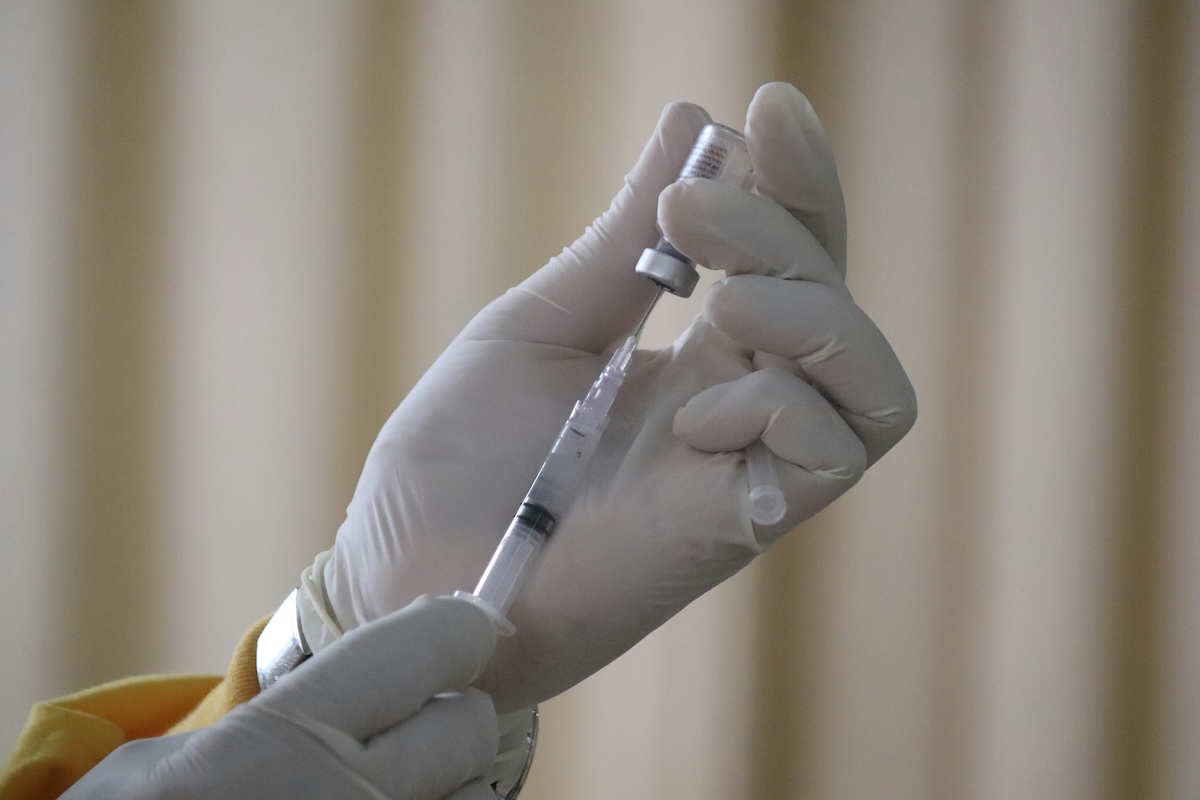
 Study indicates that depending on socioeconomic circumstances, transplant recipients may face invisible stigma-related barriers when attempting to return to work | AI-generated image
Organ transplantation enables people to survive life-threatening conditions, but returning to the workforce does not show the same level of success: only 53.7% of patients resume some form of professional activity, with income, race, and employment background playing a direct role.
The finding is from a cross-sectional study by researchers from the São Paulo School of Nursing and the São Paulo School of Medicine at the Federal University of São Paulo (UNIFESP), published in the Einstein journal in October.
According to the authors, the likelihood of a patient’s successful return-to-work (RTW) outcome varies over time:
- 67.4% in the first year after a transplant, falling to
- 33.5% ten years later.
The chances of professional reintegration are higher among people with a history of employment prior to transplantation, people with higher socioeconomic status, and recipients of kidney transplants.
Transplant recipients who are over 51 years of age, Black, unemployed before the transplant, or with a lower socioeconomic status showed lower rates of workforce reintegration.
The study evaluated 352 transplant recipients, with an average age of 42, registered with the Brazilian Association of Organ Transplants (ABTx), which compiles national transplant data. The data was collected between July and August 2021, with a minimum requirement of six months since the procedure.
“These findings underscore the urgent need for targeted stigma-reduction strategies, such as public awareness campaigns and workplace accommodations, which can be adapted to diverse cultural and economic contexts,” the authors wrote.
Factors influencing the return to work
The study included individuals from all regions of Brazil, with most from the Southeast (64.1%). The majority were women (56.1%), White (56.5%), and married or in a stable relationship (58.2%).
Kidney transplants were the most common procedure type (62.2%), followed by liver (19.6%), heart (4.5%), bone marrow (4.3%), and other organs. In terms of socioeconomic status, 46.6% were in class C, 33.2% were in class B, 7.7% in class A, and 12.5% in classes D and E.
The analysis identified five factors strongly associated with returning to work:
- Age
- Race
- Socioeconomic status
- Transplant type
- Previous occupational status
People aged over 50 were 47% less likely to return to work than those aged 31 to 40.
Black participants were 64% less likely to return than White participants. People from classes A and B were 2.5 and 2.4 times more likely respectively to resume professional activities than class C individuals, while those from classes D and E were 62% less likely.
Bone marrow recipients also faced greater challenges: they were 61% less likely to return to work than kidney recipients.
Occupational background proved to be a determining factor: people who were unemployed before surgery were 45% less likely to return to work, and those who had never been in formal employment were 87% less likely to reenter the workforce.
“Consistent with the literature, these findings highlight the critical role of socioeconomic factors, including educational level and type of occupation, in determining RTW,” the authors wrote.
Perceived stigma and quality of life
The study also assessed the impact of stigma on quality of life and employment outcomes. The authors defined stigma as the devaluation of individuals based on illness, disability, or race with the potential to affect employment prospects.
In practice, stigma can manifest as difficulties in securing a position after mentioning the transplant or fear of disclosing a health condition at work.
Stigma was measured using a five-item scale, asking participants if their condition makes them feel different to others, makes others feel uncomfortable around them, makes people avoid them, makes people afraid of them, or impacts their social relationships. Each item was rated on a seven-point scale ranging from “strongly agree” to “strongly disagree,” later rescaled to 0–100.
People who returned to work reported lower perceived stigma than those who remained unemployed, with an average difference of 9.8 points.

Separated or widowed participants reported higher stigma levels than those who were married or in domestic partnerships, while individuals in classes D and E reported higher stigma than those in classes A and B.
Quality of life was measured using the SF-36 health survey, a validated tool used to assess functional capacity, physical limitations, pain, general health, vitality, social factors, emotional aspects, and mental health. In all areas, transplant recipients scored lower than the general Brazilian population.
“Stigma can lead to shame, self-limitation, and discrimination, which directly impair both quality of life and return to work,” the researchers pointed out.
The study also identified a statistically significant correlation between stigma and a poorer quality of life. A one-point increase in perceived stigma was associated with reductions in functional capacity (0.24), general health (0.20), vitality (0.25), social functionality (0.37), mental health (0.33), and physical limitations (0.40), as well as a higher perception of pain (0.23).
“The negative effects of stigma on quality of life and returning to work are consistent with those demonstrated by international studies, showing that stigma related to chronic illnesses reduces confidence, self-esteem, and social integration,” the researchers wrote.
Limitations and conclusions
The authors acknowledged some limitations: the cross-sectional design, based on observations taken at a single point in time without following participants over time, does not allow causality to be established; the concentration of participants in the Southeast of Brazil reduces generalizability; and the lack of data on comorbidities, such as cardiovascular diseases and mental illness, which could influence the outcomes.
The stigma scale used, despite its good psychometric properties, has not yet been specifically validated for the transplant population.
Even so, the results reinforce the need for public strategies focused on vocational rehabilitation, reducing stigma, and addressing structural inequalities that hinder full reintegration of transplant recipients into social and economic life.
“Overcoming these structural barriers is essential for optimizing long-term outcomes and ensuring that transplant recipients fully reintegrate into their occupational lives,” the authors wrote.
Public policies aimed at increasing workplace inclusion and tackling stigma could improve the situation, ensuring that the clinical success of transplantation also translates into social and economic quality of life.
*
This article may be republished online under the CC-BY-NC-ND Creative Commons license.
The text must not be edited and the author(s) and source (Science Arena) must be credited.