 #Suggested Reading
#Suggested Reading
24.02.2026
Breast cancer, science, and autonomy: Why read Quando a Vida Pede Coragem
Historian transforms her experience with cancer into a critical reflection on evidence-based medicine, information overload, and patient agency.
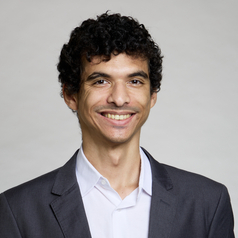
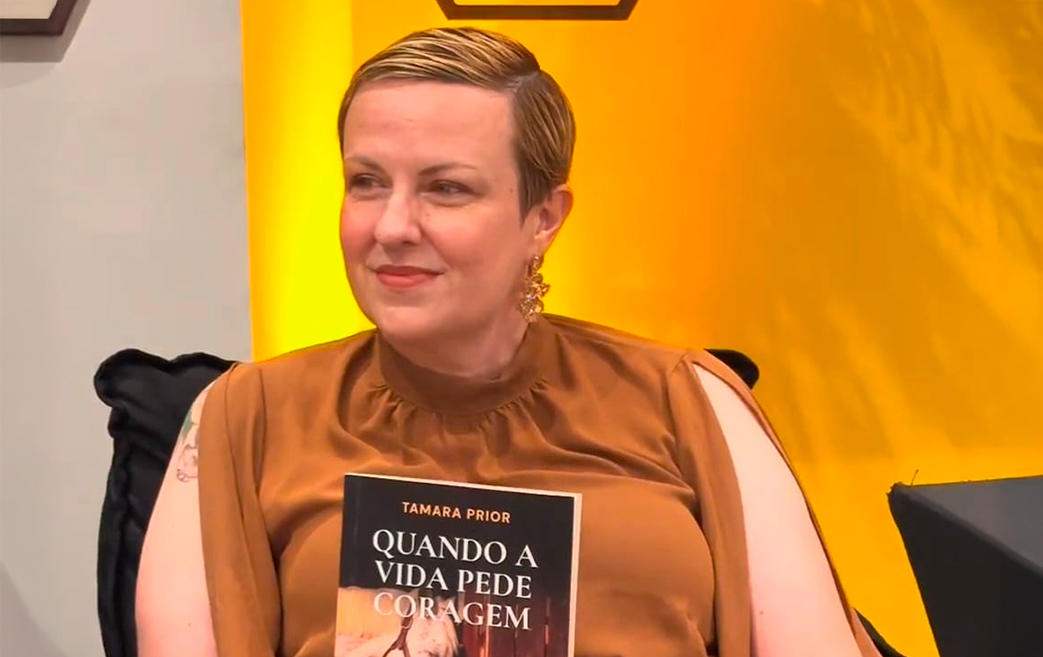 Historian Tamara Prior, author of Quando a Vida Pede Coragem (When life calls for courage), combines clinical experience, the history of science, and evidence analysis to explore how patients can make responsible decisions amid information overload | Image: Personal Archive
WHAT DO WE RECOMMEND?
The book Quando a Vida Pede Coragem – Uma jornada contra o câncer com consciência, esperança e ação (When life calls for courage: A journey confronting cancer with awareness, hope, and action) (GM Editora, 2025), by Tamara Prior, a historian who graduated from the University of São Paulo (USP), with an academic background focused on the history of health and the history of science.
After being diagnosed with breast cancer at age 29, the author joined patient groups, studied oncology in greater depth, and actively engaged with scientific evidence, developing a critical and participatory approach to therapeutic decision-making.
This experience, marked by successive clinical challenges, led to the book Quando a Vida Pede Coragem, in which Prior combines personal experience, historical reflection, and scientific analysis to examine health, autonomy, and coping with illness.
WHY IS THIS BOOK RELEVANT?
The book is relevant because it seeks to move beyond simplistic dichotomies—for example, between science and sensitivity, between conventional medicine and patient autonomy, between hope and firm reality.
In the preface, science communicator Abner Santos describes how Tamara expanded her therapeutic “toolbox” without rejecting medical protocols.
This stance—neither rejecting evidence-based medicine nor submitting to it uncritically—is one of the central themes of the work.
In this sense, the book advocates critical thinking in matters of personal health.
In an interview with Science Arena, Prior emphasized the importance of “developing filters” in response to information overload in the digital age.
The book embodies this proposal: it shows how curiosity and critical thinking, cultivated through her training in the history of science, became practical tools in clinical decision-making.
For those interested in the contemporary challenges of knowledge production and dissemination, the book offers a vivid case study of informational autonomy, patient agency, and the limits (and potential) of scientific paradigms in situations of high uncertainty.
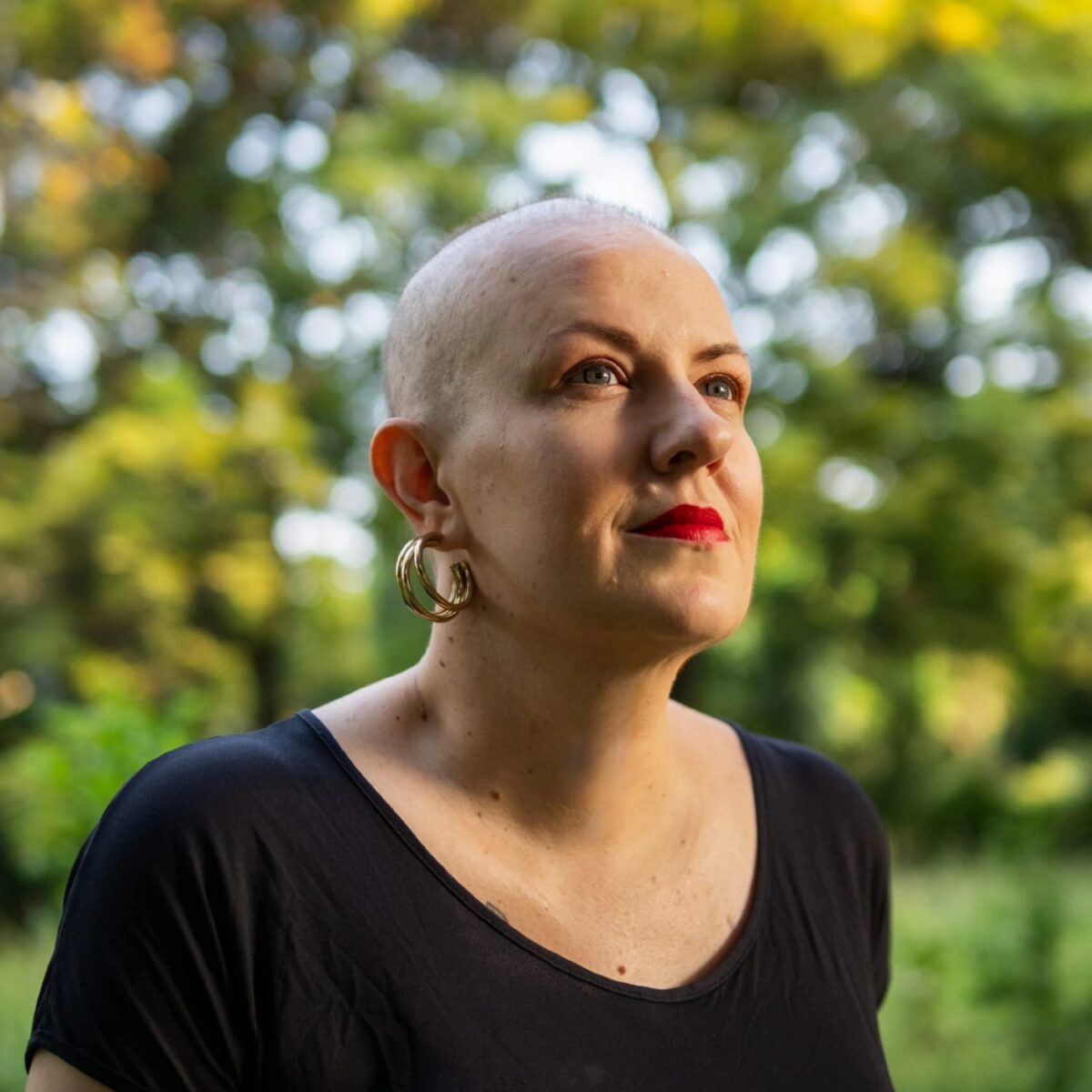
WHAT MAKES THIS BOOK A MUST-READ?
First, Tamara Prior’s intellectual courage—she does not write from the perspective of someone offering a ready-made and comforting narrative. She challenges the often fatalistic and romanticized imagery surrounding cancer, discusses the shame experienced by patients and professionals, and questions simplistic explanations of causality (“Does everything cause cancer, or does nothing cause it?”).
Second, the book integrates personal experience and research. Throughout the work, each chapter balances her personal account with critical analysis and a review of evidence—from adaptive immune response to immunonutrition—culminating in a frank dialogue “between science and life.”
“This is not a manual, nor is it the account of a miracle; it is about method, attitude, and responsibility,” Prior told Science Arena.
“We often hear that it is enough to seek what is scientific, that is, ‘evidence-based medicine.’ But within this very field there are also pitfalls, interests, and even misconceptions disguised as promises,” the author warns.
The book also addresses the political dimension of care.
The author sheds light on inequalities in access to diagnosis and treatment and emphasizes that the fight against cancer is not only biological, but also collective and institutional.
This perspective echoes what Prior says in the interview: information without discernment can be confusing, but information combined with critical thinking can transform decisions.
This is a work that directly addresses a question of crucial importance to the scientific community: how can we navigate uncertainty without abandoning rigor? In an era of information overload and conflicting narratives about health and science, Quando a Vida Pede Coragem invites readers to cultivate something rare—lucidity with hope.
*
This article may be republished online under the CC-BY-NC-ND Creative Commons license.
The text must not be edited and the author(s) and source (Science Arena) must be credited.