 #Suggested Reading
#Suggested Reading
03.02.2026
Causal inference beyond statistics
Classic article shows that establishing cause-and-effect relationships requires theory, context, and multiple sources of evidence—not just good statistical models
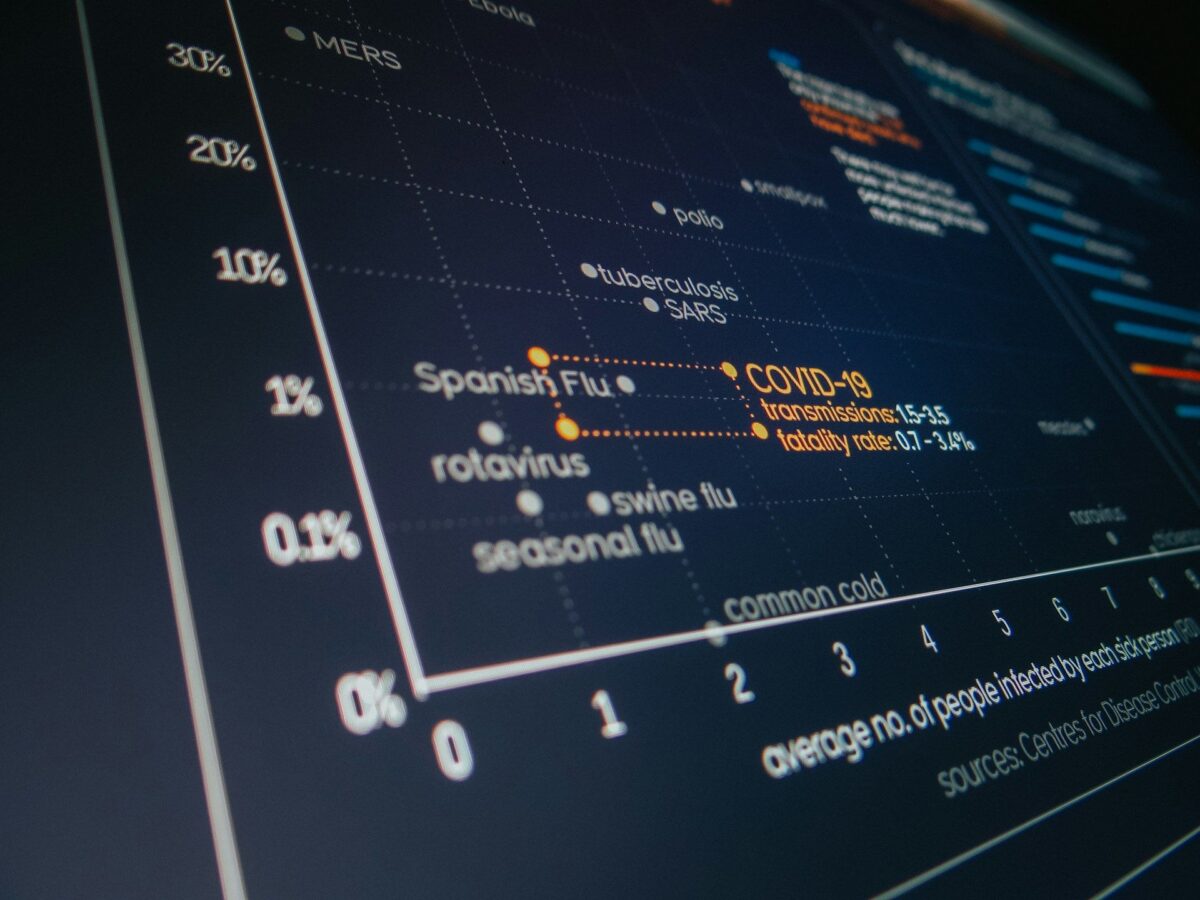 The 2016 article "Causal inference—so much more than statistics" presents the key concepts of causal inference through examples familiar to epidemiologists | Image: Unsplash
MY RECOMMENDATION:
The article Causal inference—so much more than statistics, published in the International Journal of Epidemiology in 2016 by Neil Pearce and Deborah Lawlor. The paper provides an introduction to causal inference based on the work of Israeli-American philosopher and computer scientist Judea Pearl.
WHY IS THIS ARTICLE RELEVANT?
The authors discuss how causal inference—how we can assert that X causes Y—goes far beyond the statistics used in research.
They explain the relationship between statistics and causality, fundamental concepts of causality, and DAGs (directed acyclic graphs).
The authors emphasize that causal inference is based on multiple factors far beyond the type of statistical analysis applied to a dataset.
WHAT MAKES THIS ARTICLE A MUST-READ?
The paper presents the key concepts of causal inference through examples familiar to epidemiologists, especially in the explanation and application of DAGs. But what makes this an unmissable read is the discussion of their limitations.
Although DAGs are widely used in epidemiology, they are often treated as a “silver bullet” for causal inference.
The article argues that they are merely a tool—neither necessary nor sufficient to make a study causal.
It also introduces the concept of triangulation, when evidence from multiple studies using different methodologies is combined. This approach is fundamental to developing credible theories and reaching robust causal conclusions.
Thiago Cerqueira Silva earned his medicine degree and a PhD at the Federal University of Bahia (UFBA). He carried out postdoctoral research in vaccine effectiveness and epidemiological surveillance at the Oswaldo Cruz Foundation (FIOCRUZ). Silva is currently an assistant professor in the Department of Medical Statistics at the London School of Hygiene and Tropical Medicine.
Opinion articles do not necessarily reflect the views of Science Arena or Einstein Hospital Israelita.
*
This article may be republished online under the CC-BY-NC-ND Creative Commons license.
The text must not be edited and the author(s) and source (Science Arena) must be credited.