 #Columns
#Columns
02.04.2026
The Garden: a place for care, health, and well-being
Historical and scientific evidence shows how contact with nature—from medicinal plants to green landscapes—affects physical, mental, and public health
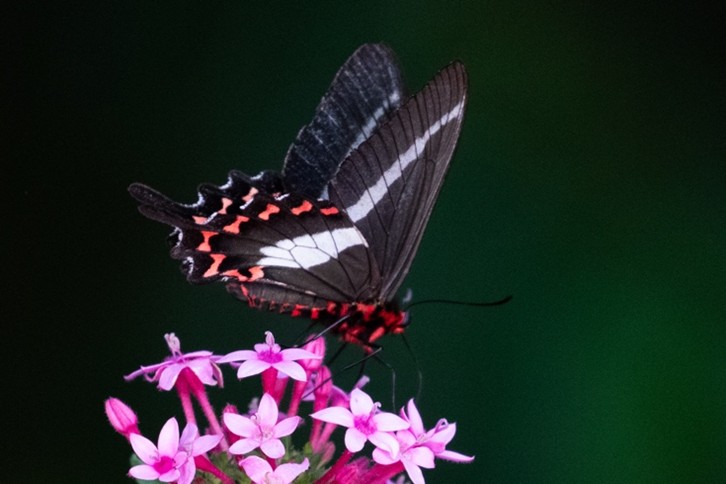 More than just scenery, gardens reveal colors, shapes, and movements that awaken the senses and promote balance and human well-being | Image: Lis Leão
In the Mystery of the Endless, a planet is balanced
And, in the planet, a garden, and, in the garden, a bed:
In the flowerbed, a violet, and, upon her, the whole day,
Between the planet and the Endless, the wing of a butterfly.
(Cecília Meireles)
Since ancient times, gardens have served as therapeutic and ecological tools. More than ornamental spaces, they are places where life takes shape, care is provided, and health can flourish.
The relationship between plants and health predates modern science itself. Evidence shows that even Neanderthals used natural substances with medicinal properties 50,000 years ago, including compounds similar to salicylic acid and natural antibiotics.
Plants existed before humans, and long before the pharmaceutical industry, nature already offered resources to relieve pain and treat disease. Throughout history, this relationship has—quite literally—been cultivated.
From the first European botanical gardens, created in the 16th century to study medicinal plants, to contemporary institutions such as botanical gardens, these spaces have established themselves as centers for research, conservation, education, and well-being.
The Medicinal Plant Collection at the Rio de Janeiro Botanical Garden, for example, houses around 170 species and hundreds of scientific references.
More than a collection, it is a living laboratory that preserves biodiversity, values traditional knowledge, and makes scientific knowledge more accessible to the public, while also providing a rich database.
Similarly, university and medicinal gardens play an essential role in connecting science, culture, and health.
But even gardens without medicinal plants can be therapeutic.
The garden as an experience
Since the classic study published in Science in 1984, which showed that surgical patients with a view of green spaces recovered more quickly and required less pain medication, evidence has continued to accumulate showing that contact with natural environments contributes to health.
Decades later, studies show that therapeutic gardens can influence mood and even brain activity in people with depression, reduce stress in older adults through gardening activities, and improve the mental health of children and their caregivers in urban settings.
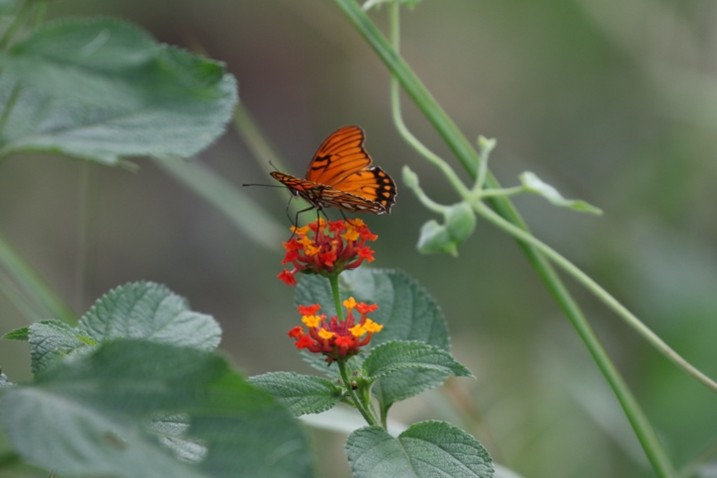
Being in a garden is, above all, an experience. Science has shown that the perception of beauty activates brain circuits associated with reward, involving regions such as the orbitofrontal cortex.
Being in a garden is a sensory, aesthetic, and emotional experience that stimulates the nervous system, promotes well-being, and reconnects us with something we often forget: we are part of nature.
Therapeutic gardens are, therefore, less about the space itself and more about the experience they provide. Biodiversity, harmony, and opportunities for interaction are elements that enhance their effects.
In this sense, medicinal and therapeutic gardens can be understood as microcosms—places where one learns about interdependence, cycles, and care.
Cultivating a garden, whether at home, in a school, in a hospital, or in a scientific institution, is also a way of cultivating values: respect for diversity, recognition of traditional knowledge, and ecological awareness.
It is a gesture that connects us to the ancestral wisdom of Indigenous peoples, who have long understood the profound relationship between human health and the health of ecosystems.
It is also an act of resistance against a model of development that has led to environmental degradation, loss of biodiversity, and climate change that threaten global public health.
Caring to be cared for
From the perspective of someone who is hospitalized, whose health is fragile, and in dialogue once again with Cecília Meireles, she might ask: Who will buy me a garden with flowers? Butterflies of many colors? Who will buy me this ray of sunshine? Wouldn’t that, too, be a form of care?
Caring for a garden is a gesture that transcends the individual and can be a daily practice of caring for the planet.
Landscape architect Gilles Clément proposes the concept of a “planetary garden,” in which the Earth is understood as a single garden, without borders, where all beings are interconnected.
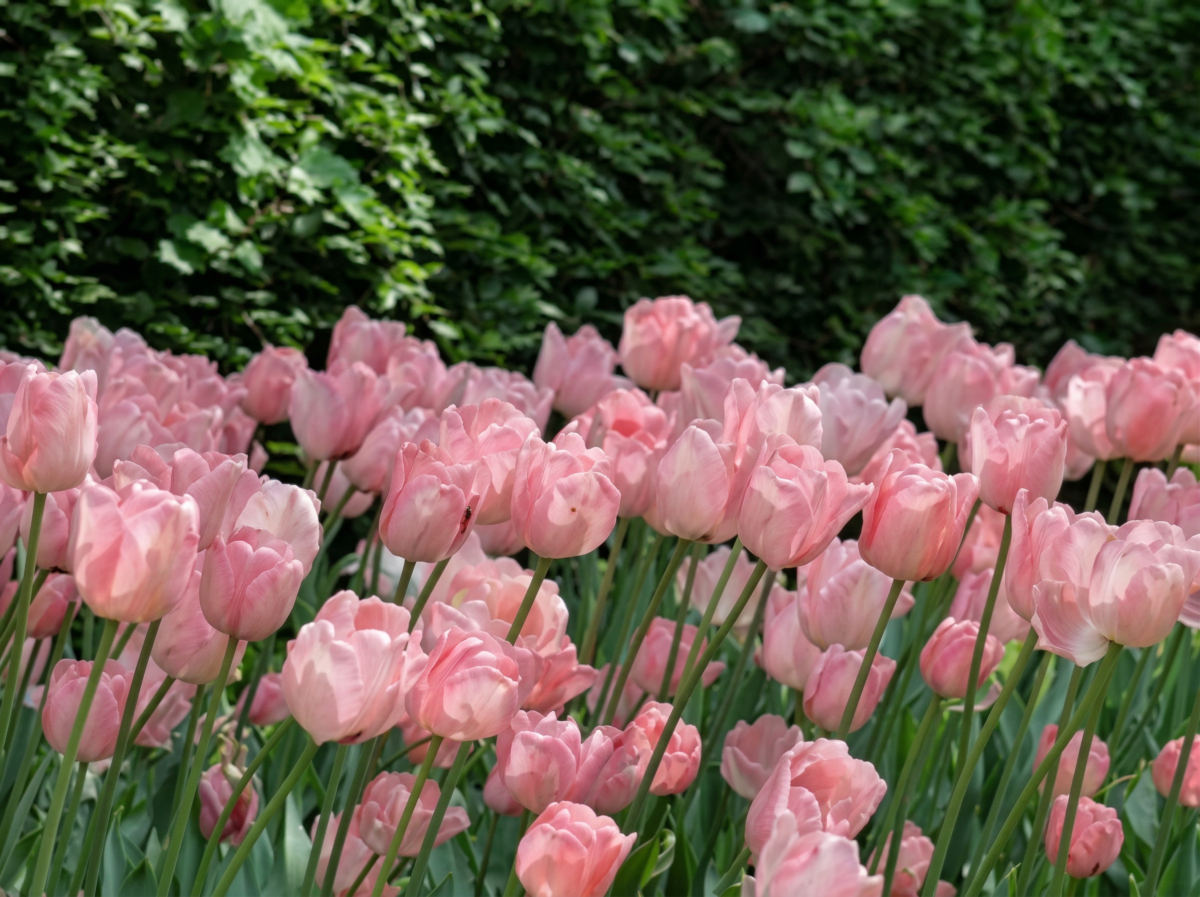
In this context, we are invited to take on the role of gardeners. A genuine opportunity to learn how to care opens up.
In the garden, time is transformed. When we plant a seed, we usher in the future. There is no room for nostalgia, only for what lies ahead.
The garden is, perhaps, one of the few places where we can still imagine hope. It is a space of care, health, and well-being.

Lis Leão is a senior researcher at Hospital Israelita Albert Einstein and head of the e-Nature Research Group for interdisciplinary studies on connections between nature, health, and well-being (CNPq).
Opinion pieces do not necessarily reflect the views of Science Arena and Einstein.
*
This article may be republished online under the CC-BY-NC-ND Creative Commons license.
The text must not be edited and the author(s) and source (Science Arena) must be credited.