Researchers learn science communication in workshops
Science communication workshops in Ecuador train researchers in social media, presentations, and privilege management
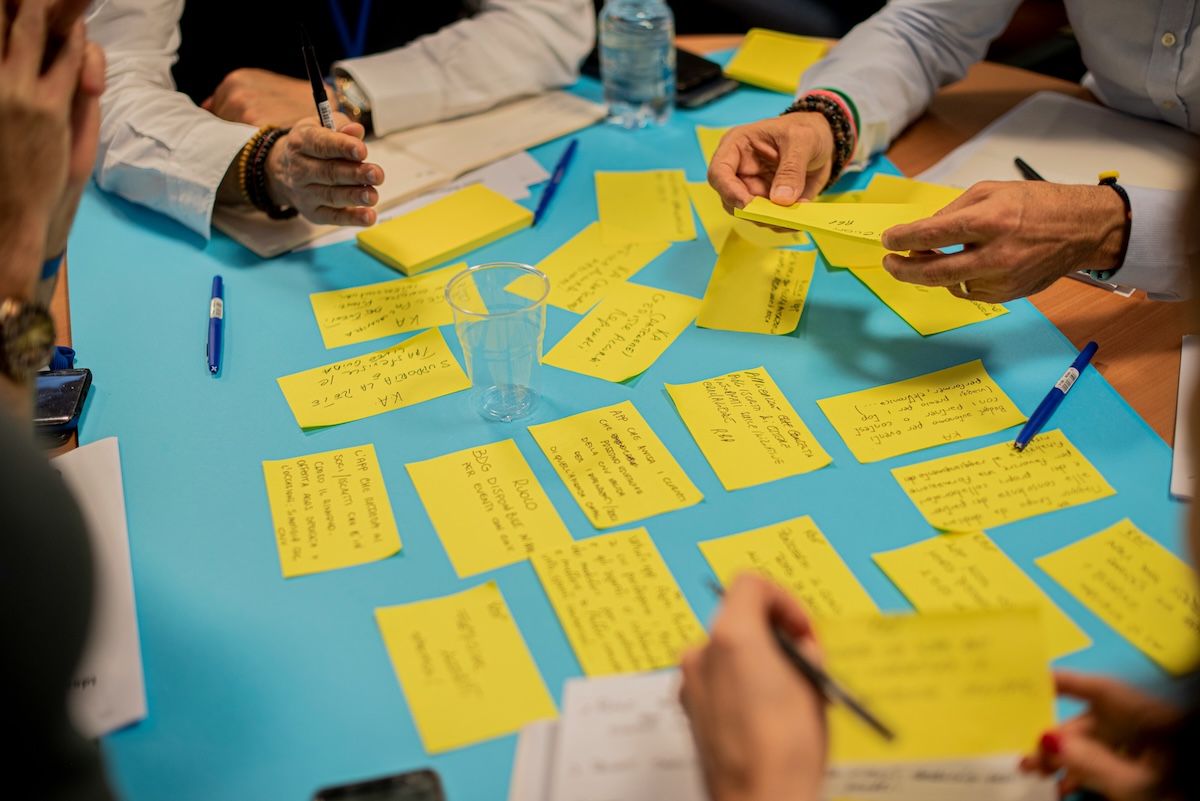 In total, 12 researchers from the fields of public health, urban planning, education, and communication took part in the initiative in Ecuador | Image: Unsplash
Scientific communication skills remain a challenge for many researchers: courses focused on practical communication skills are rare, especially in Latin America. As a result, scientists often struggle to create initiatives that engage the public in their research and meet the demands of funding agencies.
To address this issue, a group of researchers from Ecuador and the United States organized science communication workshops to help academics develop self-reflection skills, prepare presentations for non-specialist audiences, and produce content for social media. The results were published in the Journal of Science Communication (JCOM) in September 2025.
In total, 12 researchers from the fields of public health, urban planning, education, and communication took part in the initiative. Their challenge was to find ways to improve the design of public spaces in the Andean city of Cuenca, Ecuador, based on an analysis of the physical activity habits of adolescents aged 12 to 17 in parks and public areas in the region. The workshops adopted an action learning methodology, adapted to the teams’ working environment.
Workshop format
Two instructors led the sessions, providing resources and proposing activities aligned with daily challenges arising in the participants’ work, requiring them to put the knowledge and skills developed throughout the training into practice.
The workshops were held in hybrid format, with both in-person and online sessions, to encourage active learning and provide flexibility. Each session lasted four hours and combined theoretical presentations and guided activities, prepared in advance by one of the initiative’s coordinators.
The first workshop took place during the project’s pre-planning phase, before recruitment of the target audience began. The objective was to enable the researchers to build ethical relationships with participants and other stakeholders.
One activity aimed to strengthen the bond between the researchers and raise awareness of different layers of privilege.
The instructors prompted them to reflect on their social, cultural, and personal circumstances in order to develop privilege management strategies that would foster more ethical and equitable relationships when collaborating with colleagues and the public.
The second workshop trained the researchers in presentation techniques and content production for social media, focusing on formats most appealing to broader audiences. The instructors introduced strategies used in business and entrepreneurial environments to present ideas persuasively, supported by narrative techniques.
The participants created a science communication initiative, combining social media and workshops to share the study’s findings and promote safer parks in Cuenca, in partnership with the community, grassroots organizations, and public authorities.
Results and conclusions
The results indicate that the initiative was well received: at the end of the workshops, nine of the 12 participants felt that they had achieved an intermediate mastery of the skills covered, and 97% considered the activities useful for developing science communication abilities.
Social media training was identified as the most beneficial by 11 of the 12 researchers, while eight rated content production and presentation techniques as extremely useful. The self-reflection exercise prior to contact with adolescents also increased the participants’ awareness of their privileges and ways of managing them.
In the end, the researchers went beyond simply outlining strategies to support young people and the Cuenca community in partnership with organizations and local authorities. They also transformed the study’s findings into social media content, highlighting that some of the local population avoid public parks due to safety concerns.
The workshops provided an opportunity for participants to develop communication initiatives with the research participants and community stakeholders, as well as to establish new partnerships.
The conclusion is that enhancing these skills—especially among early-career researchers—can increase public engagement and make science communication efforts more effective, especially when researchers strategically incorporate social media.
*
This article may be republished online under the CC-BY-NC-ND Creative Commons license.
The text must not be edited and the author(s) and source (Science Arena) must be credited.