 #News
#News
#News
09.04.2026
Texas approves US$3 billion for a dementia research institute
The initiative replicates a successful model for cancer research funding and could become one of the world’s largest funders of research on neurodegenerative diseases
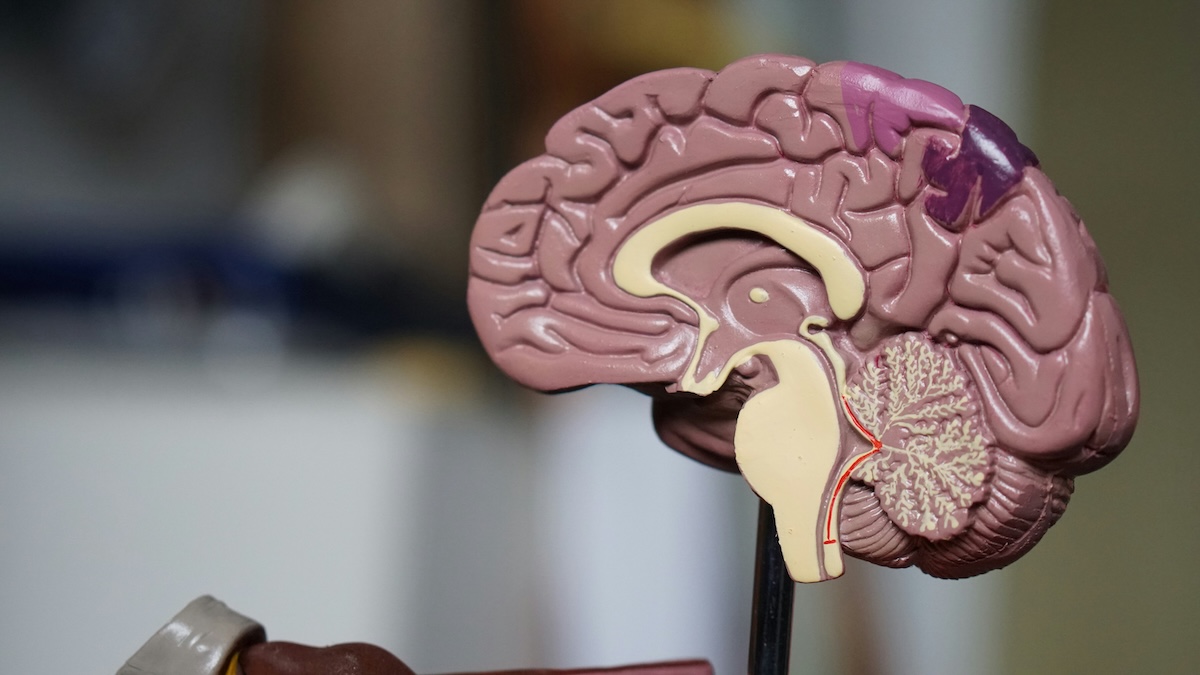 With US$3 billion approved in a referendum, Texas aims to lead global research on dementia and neurodegenerative diseases | Image: Unsplash
The US state of Texas is guided by the idea of a “minimal state” in its political discourse: the Legislature meets every two years—a deliberate arrangement to avoid the professionalization of politics.
Over the past decade, this short legislative session has been enough to transform the state into a proving ground for measures to relax vaccination requirements and impose severe restrictions on access to reproductive and maternal healthcare. But this conservative political environment conceals a different reality.
In November 2025, Texas voters approved Proposition 14 with 68.5% of the vote, allocating US$3 billion in public funding to establish a dementia research institute.
A model already tested in cancer research
The Dementia Prevention and Research Institute of Texas (DPRIT) expands an established model of biomedical research funding in the state, first implemented in 2007 with the Cancer Prevention and Research Institute of Texas (CPRIT).
The CPRIT model has become one of the most successful examples of state-level research funding in the United States—since its creation, more than 300 researchers and their laboratories have relocated to Texas.
DPRIT will distribute up to US$300 million per year over the next decade, which could make it one of the world’s largest funders of research on neurodegenerative diseases, second only to the National Institutes of Health (NIH).
The institute builds on the Texas Alzheimer’s Research and Care Consortium (TARCC), a state initiative established by law in 1999 and operational since 2005. The consortium brings together 11 medical institutions across the state, shares longitudinal databases for scientific use, and positions Texas as a national leader in research on neurocognitive disorders.
Since 2005, TARCC has received over US$60 million in state funding. With DPRIT, which will use the consortium’s infrastructure and the state’s network of medical centers, this level of funding is expected to increase one hundredfold.
DPRIT is almost identical in structure to the CPRIT model, including annual funding levels, mechanisms for governance and public oversight. The main difference lies in how funds are allocated: while the Texas Legislature funds CPRIT through bonds issued every two years, DPRIT will receive a direct allocation of US$3 billion transferred from the state’s general revenue—already set aside for use over the next decade.
Researchers across Texas are already preparing to compete for DPRIT funding, but key questions remain unanswered. The main uncertainty is who will lead the new institute—in the case of CPRIT, leadership was crucial to ensuring the initiative’s long-term sustainability.
The new leadership will need to determine how to allocate funds among basic, translational, and clinical research, as well as develop strategies for recruiting talent.
It will also be tasked with defining the institute’s scope of activity.
The legislation does not specify what constitutes dementia, merely stating that DPRIT will focus on “Alzheimer’s disease, Parkinson’s disease, and related disorders.”
It remains to be seen which lines of research will be eligible or prioritized under the broad umbrella of “related disorders.”
*
This article may be republished online under the CC-BY-NC-ND Creative Commons license.
The text must not be edited and the author(s) and source (Science Arena) must be credited.