 #News
#News
#News
16.04.2026
Psyllium: Why do we still not fully understand its effects on the body?
Used since antiquity, the compound can now be found in dietary supplements
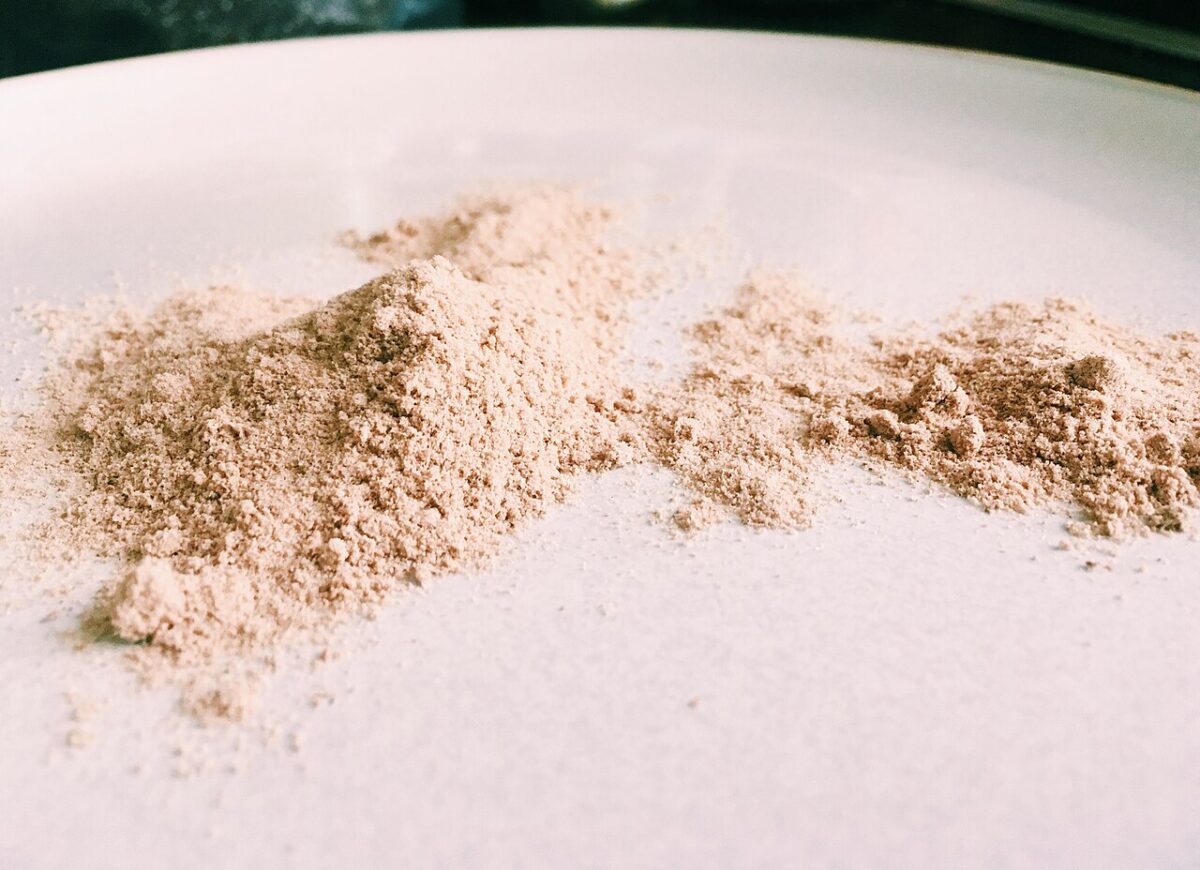 Derived from the plant Plantago ovata, psyllium may support gastrointestinal health, helping to relieve conditions such as chronic constipation | Image: Wikimedia Commons
Various compounds are frequently studied to better understand their effects on the body. Many of these analyses aim to examine how substances affect intestinal health, and this is precisely the case with psyllium, a fiber examined in a study published in the journal Annual Review of Food Science and Technology.
This compound is derived from the plant Plantago ovata, more specifically from the husks of its seeds. In fact, this fiber has been known for centuries.
Indeed, as we explained in this article, psyllium has been used since antiquity. The compound has endured over the centuries and is now widely used as a dietary supplement.
Brazil’s Health Regulatory Agency (ANVISA) authorizes the registration of products containing this fiber, provided they meet regulatory requirements.
On the other hand, the agency has also suspended products using misleading advertising, particularly those promising miraculous weight loss results.
But is psyllium really beneficial to health?
Despite centuries of use, many researchers are still seeking to better understand how psyllium affects the body.
According to the authors of the article published in Annual Review of Food Science and Technology, there are still gaps in our understanding of the compound.
This is because scientists have found relatively few studies demonstrating the harmful effects of the fiber.
They also highlighted the need for further research on the physical and chemical properties of psyllium, particularly to determine whether its consumption may interfere with calcium absorption in the body.
Is there solid evidence?
Yes. Despite the need for more in-depth studies, researchers have identified several well-established effects in the human body.
The benefits include reduced cholesterol levels, improved glucose control, stabilization of emulsions, and gluten substitution.
The fiber also supports gastrointestinal health, helping to relieve conditions such as chronic constipation and irritable bowel syndrome.
Positive effects have also been observed in the treatment of colon cancer, due to its antioxidant properties. Another noteworthy finding is that the compound may be used to deliver bioactive substances.
All of these effects, along with others identified by researchers, have been observed in both clinical and preclinical studies.
In-depth studies may support product development
Further research into the structural modification of psyllium could help support the development of pharmaceutical products—the substance has significant potential for broader applications, including in the food industry.
For this reason, researchers emphasize the need for more robust studies on the physiological responses to psyllium and its enzymatic characteristics.
To learn more about the benefits and knowledge gaps surrounding psyllium, see the full article in Science Arena.
*
This article may be republished online under the CC-BY-NC-ND Creative Commons license.
The text must not be edited and the author(s) and source (Science Arena) must be credited.