 #Interviews
#Interviews
08.04.2026
“Without suitable comparison between groups, there is no way of proving the efficacy of a new drug”
Cardiologist and researcher at Einstein Hospital Israelita explains the role of randomized clinical trials and the risks of social pressure on clinical research
 Randomized clinical trials with a control group are the gold standard for testing the efficacy of new treatments—and skipping these stages can put entire populations at risk | Image: Unsplash
“Without suitable comparison between groups, there is no way of proving the efficacy of a new drug.” Karla Espírito Santo’s statement summarizes the central argument she defends—with rigor and without succumbing to the sense of urgency that, from time to time, pressures science into skipping steps.
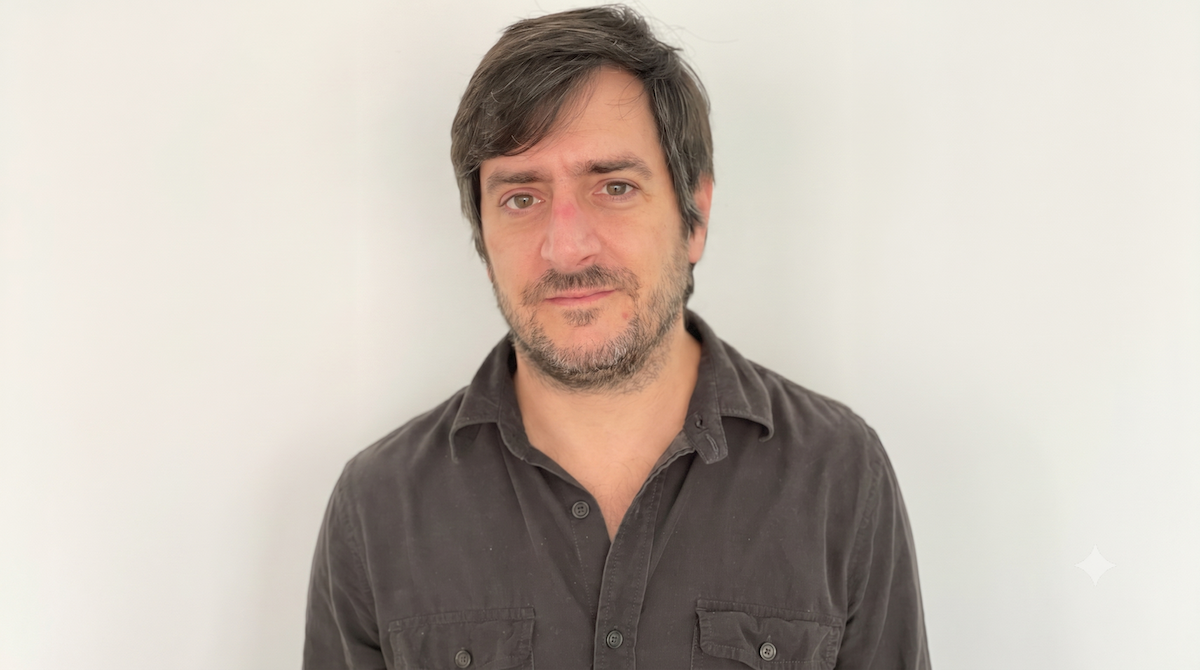
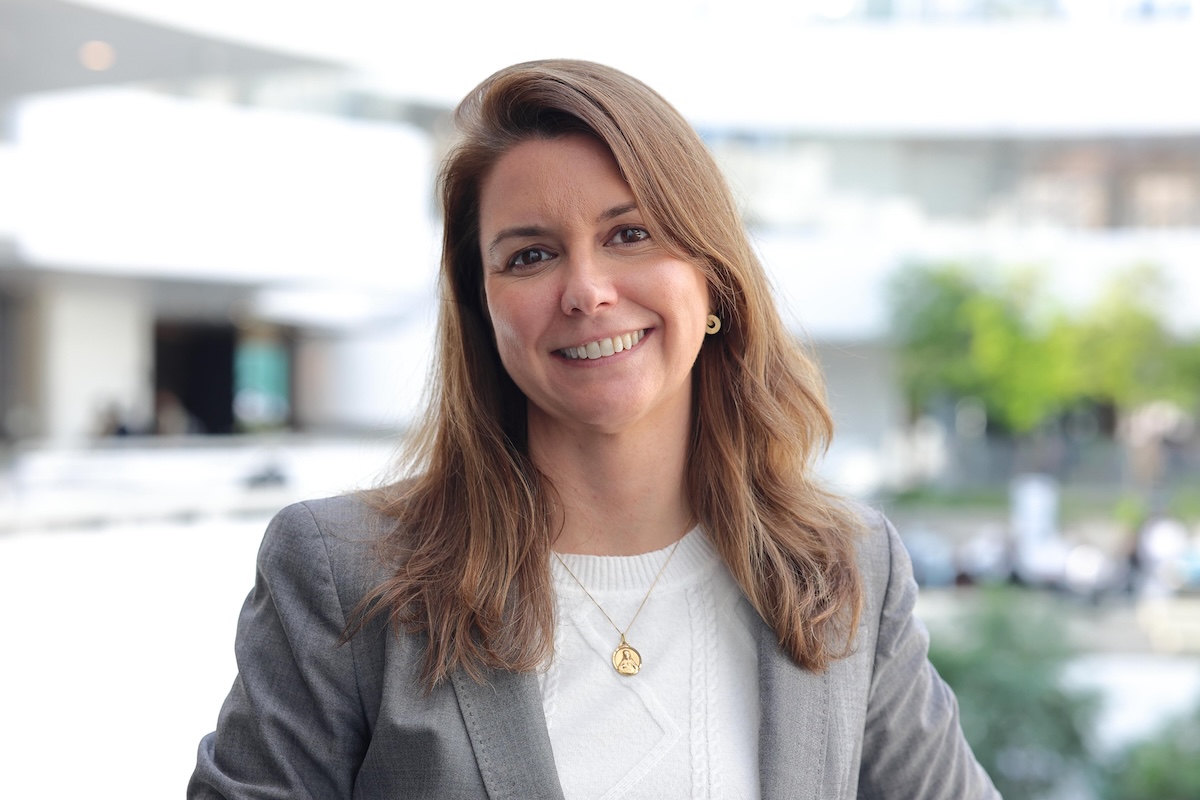
A cardiologist and clinical researcher, Karla Espírito Santo is head of Decentralized Clinical Studies and Innovative Trial Models at Einstein Hospital Israelita’s Academic Research Organization (ARO). Her career spans both the classical methodology of randomized trials and the latest frontiers of decentralized research—which, with the support of technology, takes part of the scientific process outside traditional centers.
In this interview with Science Arena, she walks through the logic of clinical trials phase by phase, explains why randomization works like a lottery that protects science from itself, and assesses the risks of social pressure on clinical research.
Brazil has a recent history of important cases in this field. Synthetic phosphoethanolamine, a substance distributed by researchers from the University of São Paulo without registering it with Brazil’s National Health Regulatory Agency (ANVISA), was the subject of thousands of lawsuits by oncology patients seeking access to the compound, even without scientific evidence of its safety and efficacy. The Supreme Federal Court declared the law authorizing its use unconstitutional, reasoning that its release without clinical tests would compromise the right to health.
More recently, polylaminin, a synthetic protein developed by researchers at the Federal University of Rio de Janeiro (UFRJ) for the treatment of spinal cord injuries, became a strategic focus of ANVISA’s Innovation Committee, while dozens of patients have already gone to court to obtain access to the substance through compassionate use, before the phase 1 clinical trial—focused exclusively on safety—has been completed.
For Karla Espírito Santo, such situations illustrate precisely why methodological rigor is not bureaucracy: it is protection.
Science Arena – Does the fact that this design is considered the gold standard mean that it is the only way to test the safety and efficacy of a new treatment, or are other designs possible?
Karla Espírito Santo – For the approval of new drugs, phase 3 randomized clinical trials are the most accepted model and typically required by regulatory agencies. Regulatory exceptions exist, such as in rare diseases, when there are not enough patients for traditional studies and few treatments available, but there is no approval without clinical data. Real-world data can also be used, obtained from patients already using approved drugs, generally to expand indications or update prescription information. In the development of a drug, studies follow stages: phase 1 tests the initial safety of the drug in humans (typically healthy volunteers); phase 2 assesses dosing, safety, and signs of efficacy in patients with the target disease; phase 3, which tends to be randomized, involves more patients and assesses the risks and benefits of the new drug, demonstrating definitive efficacy and expanding safety information; and phase 4 monitors adverse events after approval.
To help people visualize this process, can you give an example of a drug in your field, Cardiology, which has gone through all these phases?
A recent example is the PSCK9 inhibitors, used to lower cholesterol. They are primarily indicated for patients with high cardiovascular risk, such as those who have already had a heart attack or stroke. We traditionally use statins, but some patients do not reach therapeutic targets or experience side effects. in these cases, PCSK9 inhibitors are an alternative. They were approved in the past decade after completing the entire clinical research process, including phases 1, 2, and 3.
How does the so-called hierarchy of evidence, or evidence pyramid, work in clinical research?
In the evidence pyramid, randomized clinical trials are the primary studies with the highest level of evidence. Above them are systematic reviews and meta-analyses, which analyze results from multiple studies to arrive at more robust conclusions.
Below them are observational studies, such as cohort studies, in which researchers monitor patients over time without interfering in their treatment. There are also case-control studies, common in rare diseases or emerging situations, as occurred in the initial research into Zika virus and microcephaly. At the base of the pyramid are case reports and case series, which describe clinical observations but have a lower capacity for demonstrating causal relationships.
What are some examples of methodological biases that can affect the interpretation of a study’s findings?
One example is selection bias, which happens when participant characteristics differ between the groups from the start, and this can influence the study’s findings. To avoid it, studies use randomization, that is, the treatment each patient receives is chosen randomly. Another important point is allocation concealment: the person recruiting patients should not know in advance which group the next participant will be assigned to. Also, when you read a prescription information insert or a scientific article, you usually find a detailed description of the studied population. This doesn’t prevent bias per se, but it really helps to understand for whom that finding really applies in clinical practice. There are also other types of important biases, such as performance bias, which occurs when groups receive different care in addition to the treatment being studied, and detection bias, when outcomes are assessed differently between groups. A key strategy for reducing these problems is blinding, when patients, researchers, and assessors— where possible—don’t know which treatment is being administered, reducing the influence of expectations on both care and the assessment of findings. In these cases, using validated instruments, standardized assessments, and, again, blinding patients and assessors is essential for making the findings more reliable.
You work at Einstein in the decentralized clinical studies department. What are they, and how do they change the way research with humans is conducted?
Clinical studies are traditionally conducted in research centers, such as hospitals or institutes. In decentralized studies, some of the activities can take place outside these centers with the support of technology. Patients can sign the informed consent form electronically, take part in virtual consultations, or undergo exams at home. Remote monitoring devices can also be used to send data directly to researchers. This facilitates participation and increases access for patients who live far from major centers. Many studies today are hybrid, combining in-person and remote stages.
Can social pressures and judicialization, as occurred in cases involving substances such as phosphoethanolamine, hydroxychloroquine, and currently polylaminin, pose risks to the correct conduct of clinical research?
Yes. This type of pressure can compromise the scientific process when it leads to the adoption of treatments before there is sufficient evidence. In the case of hydroxychloroquine, for example, the drug had already been approved for other diseases and came to be widely used before there were conclusive studies on its effectiveness against COVID-19. Situations like this can lead to attempts to skip steps in clinical research. For this reason, it is essential to maintain scientific rigor.
Even in urgent contexts, such as occurred with COVID-19 vaccines, the necessary studies were conducted before approval. Following this process is a way of protecting the public.
*
This article may be republished online under the CC-BY-NC-ND Creative Commons license.
The text must not be edited and the author(s) and source (Science Arena) must be credited.