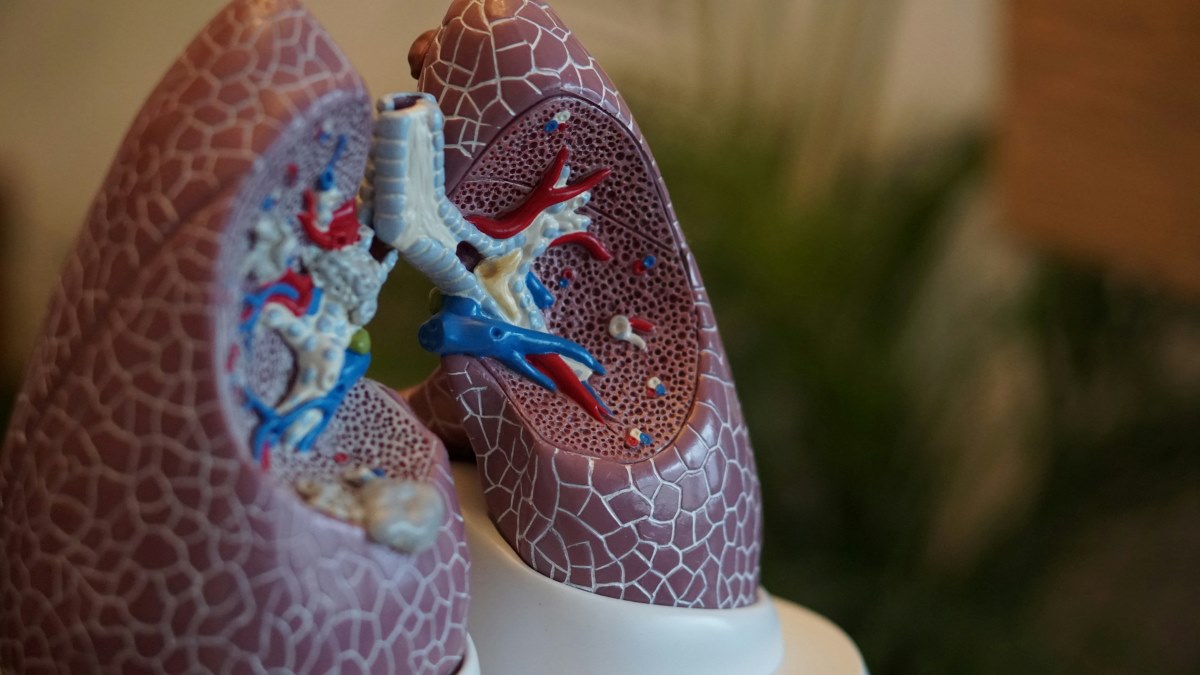
17 / June / 2026 Pulmonary fibrosis: AI-developed drug shows promising early results Clinical trial indicates improvement in a measure of lung function, but safety, efficacy, and use with other populations still need to be confirmed By Daniel Dieb
18 / May / 2026 From single cells to precision medicine Using single-cell RNA sequencing, the Human Cell Atlas is redefining our understanding of human cellular diversity and opening new doors for precision medicine By Samuel Antenor
13 / May / 2026 Artificial intelligence: how does it generate uncertainty in science? See what the expert says Sociologist Glauco Arbix of USP says the current scenario requires not only technical proficiency, but also critical reflection on the role of the researcher By Editorial staff
16 / April / 2026 Can social media impact your health? Case against Meta and YouTube reignites debate Researcher compares the impact of Big Tech to that of the tobacco industry and advocates for new regulatory framework to protect children and adolescents By Gabriela Monteiro
14 / April / 2026 Technology helps identify malaria transmission zones in Brazil By analyzing location data from the mobile phones of residents of Manaus, researchers were able to map high-risk areas with greater precision and speed By Arthur Almeida
10 / April / 2026 DATASUS: why Brazil collects so much health data—but still makes few decisions using it Open-access databases have put Brazil on the global map, but fragmentation and gaps make it difficult to turn information into health decisions By Marília Marasciulo
07 / April / 2026 Agonists and antagonists: drugs to modulate body signals From asthma inhalers to monoclonal antibodies: how drugs “talk” to cells By Yasmim Cunha
16 / March / 2026 Software and physicians show similar performance in estimating ICU length of stay Brazilian study identifies limitations in projections based on both clinical experience and digital tools, but highlights that both can be important allies in resource management By Arthur Almeida
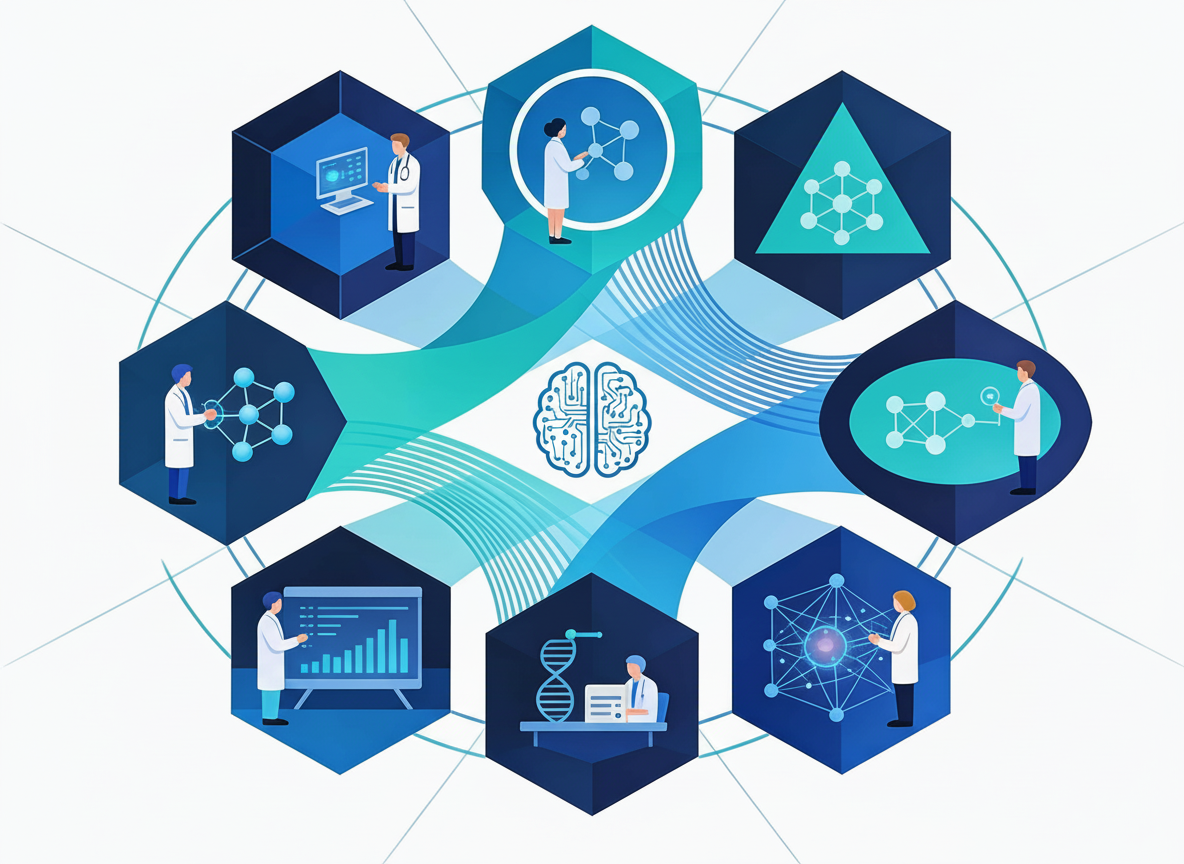
05 / March / 2026 8 strategic applications of AI in medicine Language models are being incorporated into core areas of care, but a study warns that the technology is still incipient and exposes security and bias risks By Marília Marasciulo
26 / February / 2026 ChatGPT 4.0 scores 77% and Gemini 2.5 scores 81% on medical residency exams Study of OpenAI and Google models suggests educational potential but highlights ethical limits and lack of practical experience By Arthur Almeida