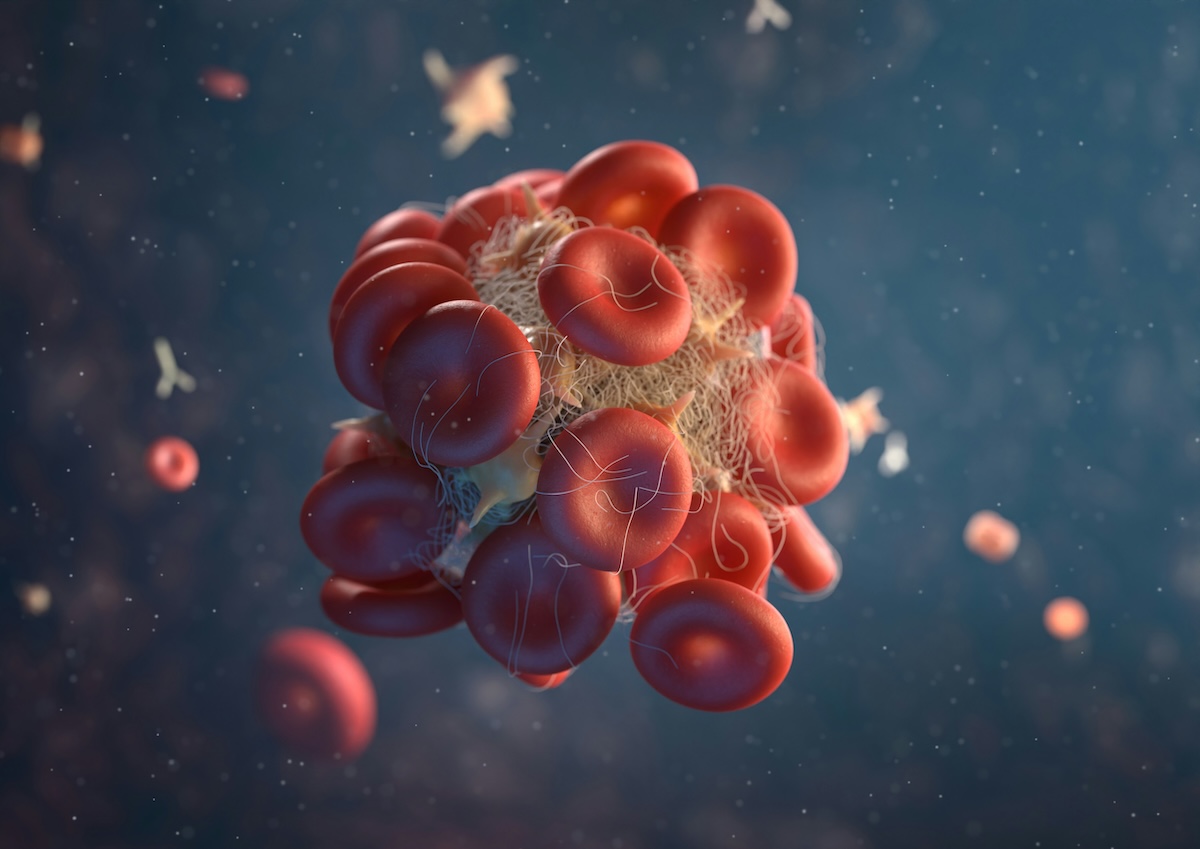
18 / June / 2026 Experimental drug reduces risk of second stroke by 26% International clinical trial involving Brazilian researchers tested asundexian in patients following ischemic stroke By Gilberto Stam
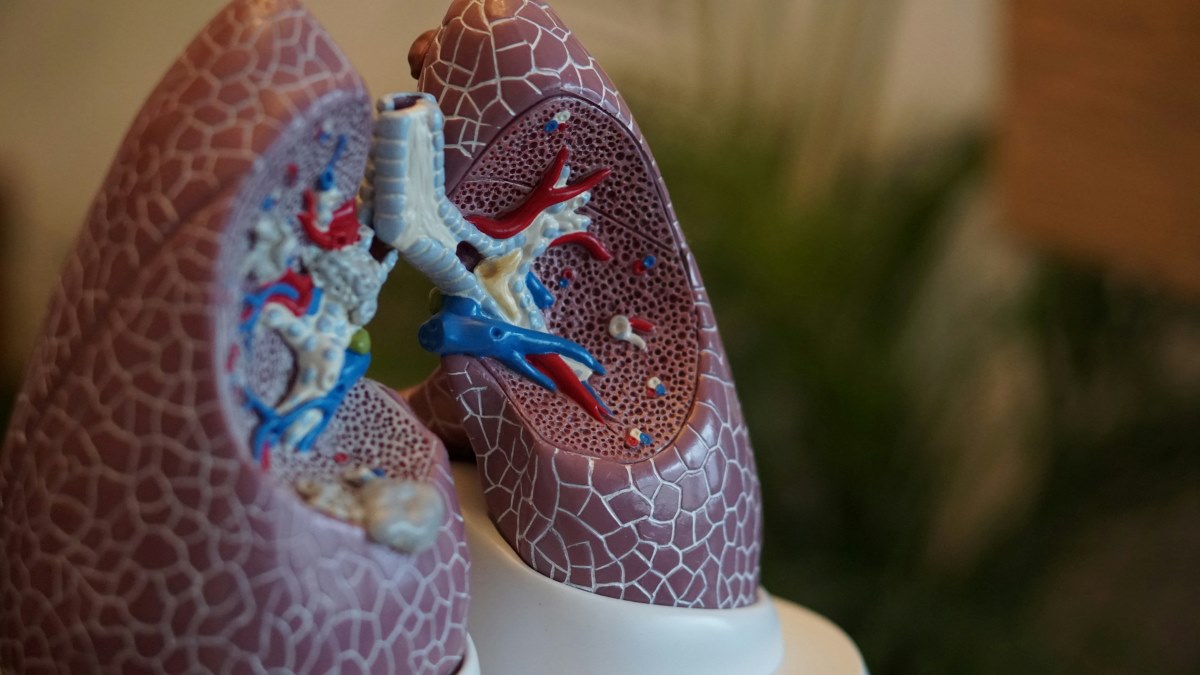
17 / June / 2026 Pulmonary fibrosis: AI-developed drug shows promising early results Clinical trial indicates improvement in a measure of lung function, but safety, efficacy, and use with other populations still need to be confirmed By Daniel Dieb
04 / June / 2026 Frontier science takes risk, but Brazil still punishes failure Experts say that truly innovative projects require safer environments in which to make mistakes, recombine knowledge, and challenge paradigms By Daniel Dieb
18 / May / 2026 From single cells to precision medicine Using single-cell RNA sequencing, the Human Cell Atlas is redefining our understanding of human cellular diversity and opening new doors for precision medicine By Samuel Antenor
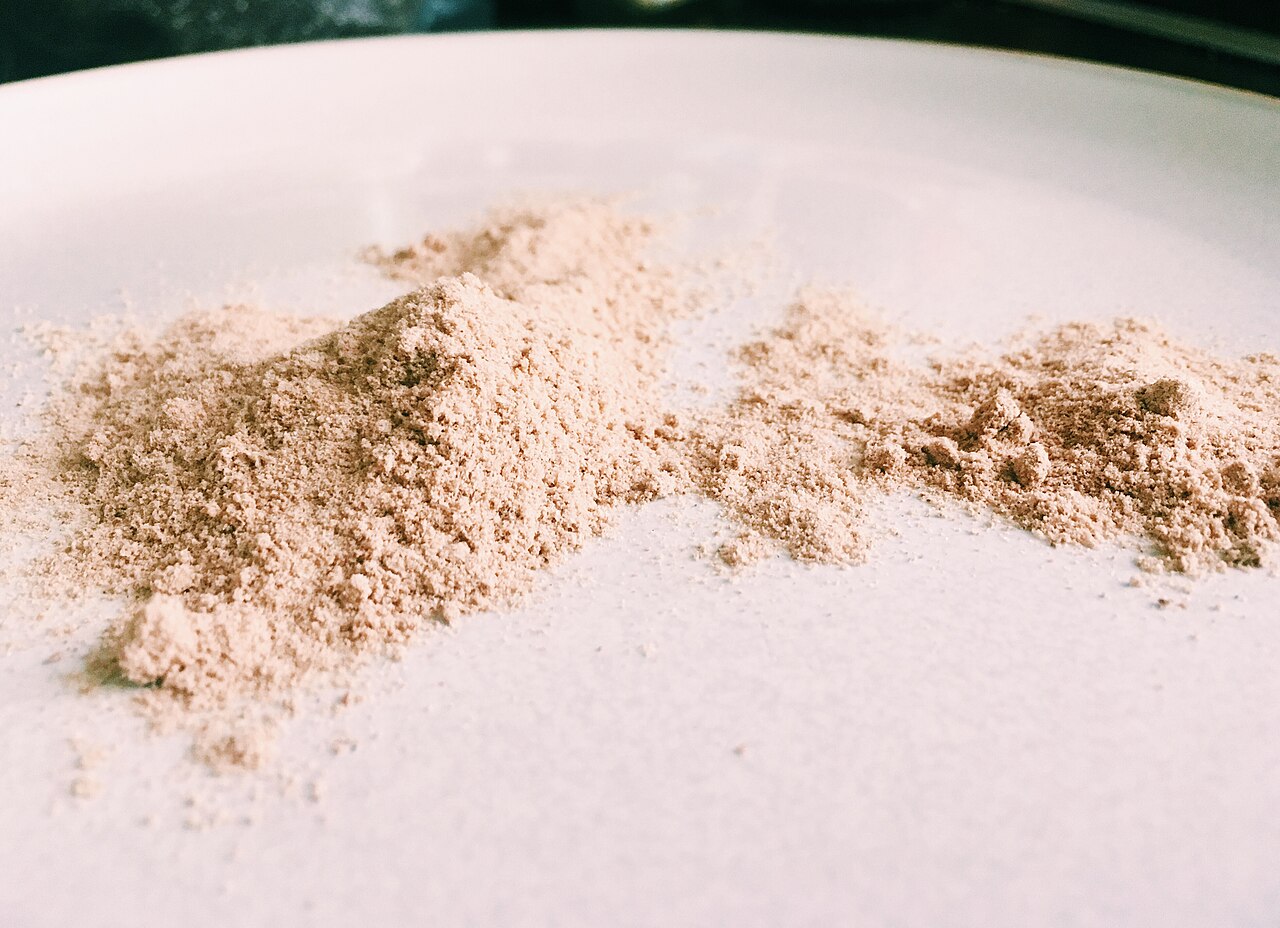
16 / April / 2026 Psyllium: Why do we still not fully understand its effects on the body? Used since antiquity, the compound can now be found in dietary supplements By Editorial staff
07 / April / 2026 Agonists and antagonists: drugs to modulate body signals From asthma inhalers to monoclonal antibodies: how drugs “talk” to cells By Yasmim Cunha
06 / March / 2026 Protein design: how scientists are creating tailor-made molecules to tackle major challenges Using computational models and AI, scientists are developing proteins to address scientific and technological problems By Samuel Fernandes
16 / February / 2026 Polylaminins and laminin: Understanding the difference and their role in the placenta during pregnancy Each protein has distinct characteristics that influence the body in specific ways By Editorial staff
08 / January / 2026 The challenge of including expectant mothers in clinical trials Fewer than 1% of clinical trials in the USA include pregnant women, creating knowledge gaps on the use of medications during gestation By Marília Marasciulo
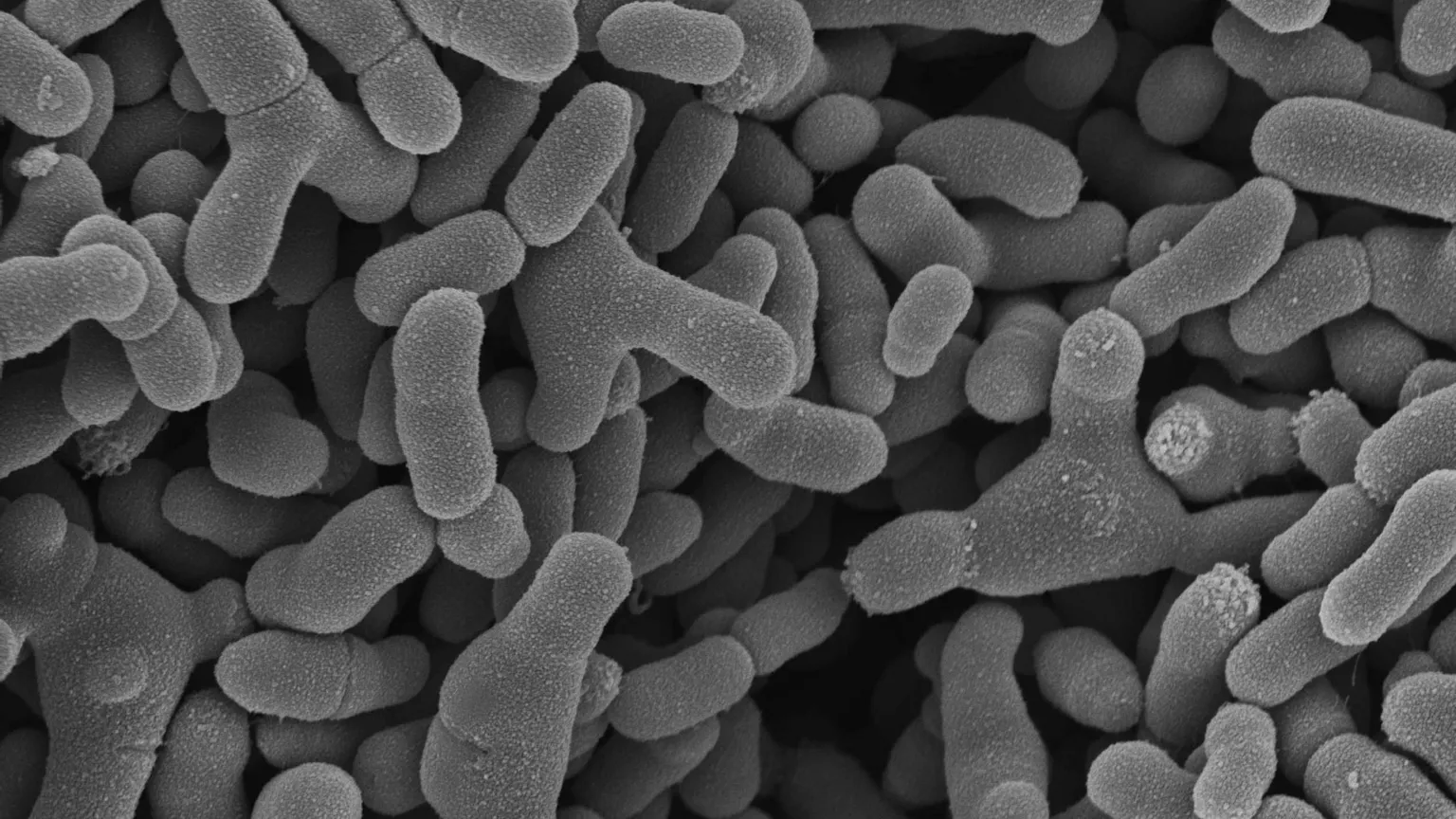
10 / November / 2025 Pioneering bacteria form microbiome in babies’ intestines British genome study identifies three bacterial species that initiate gut colonization in newborns, offering potential for the development of personalized probiotics By Editorial staff