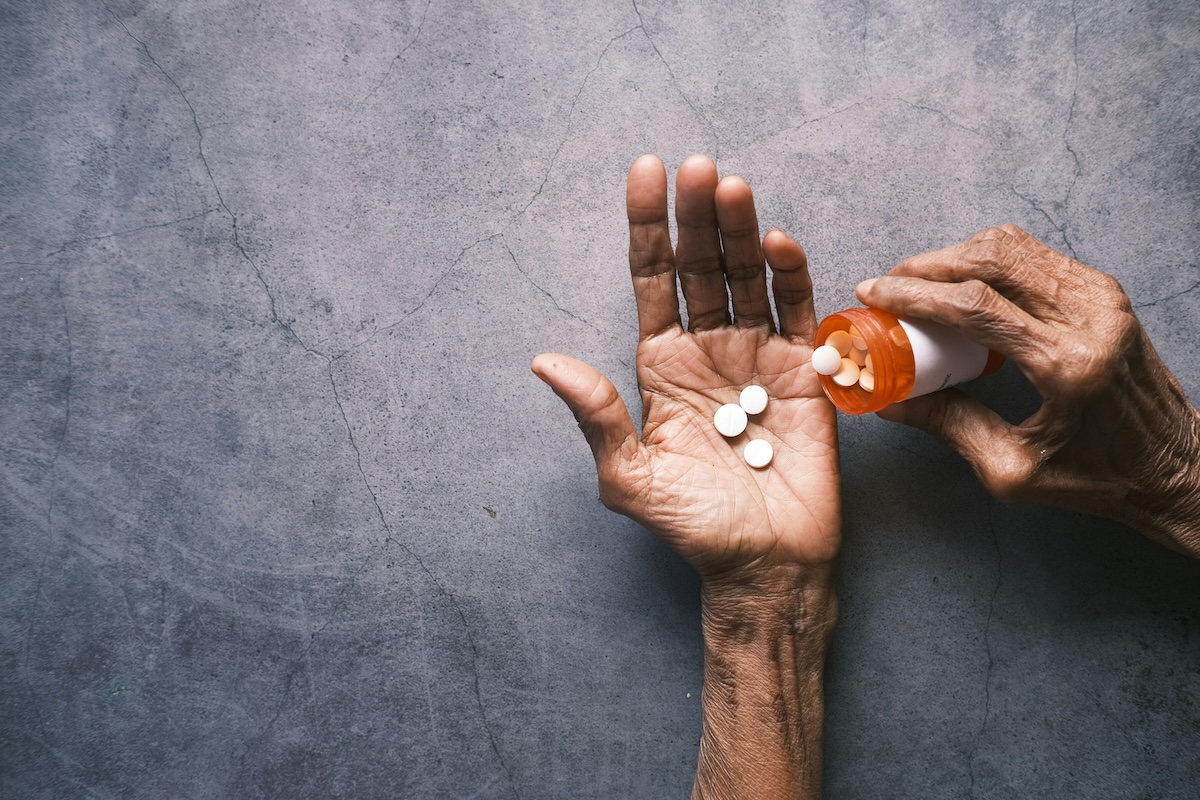
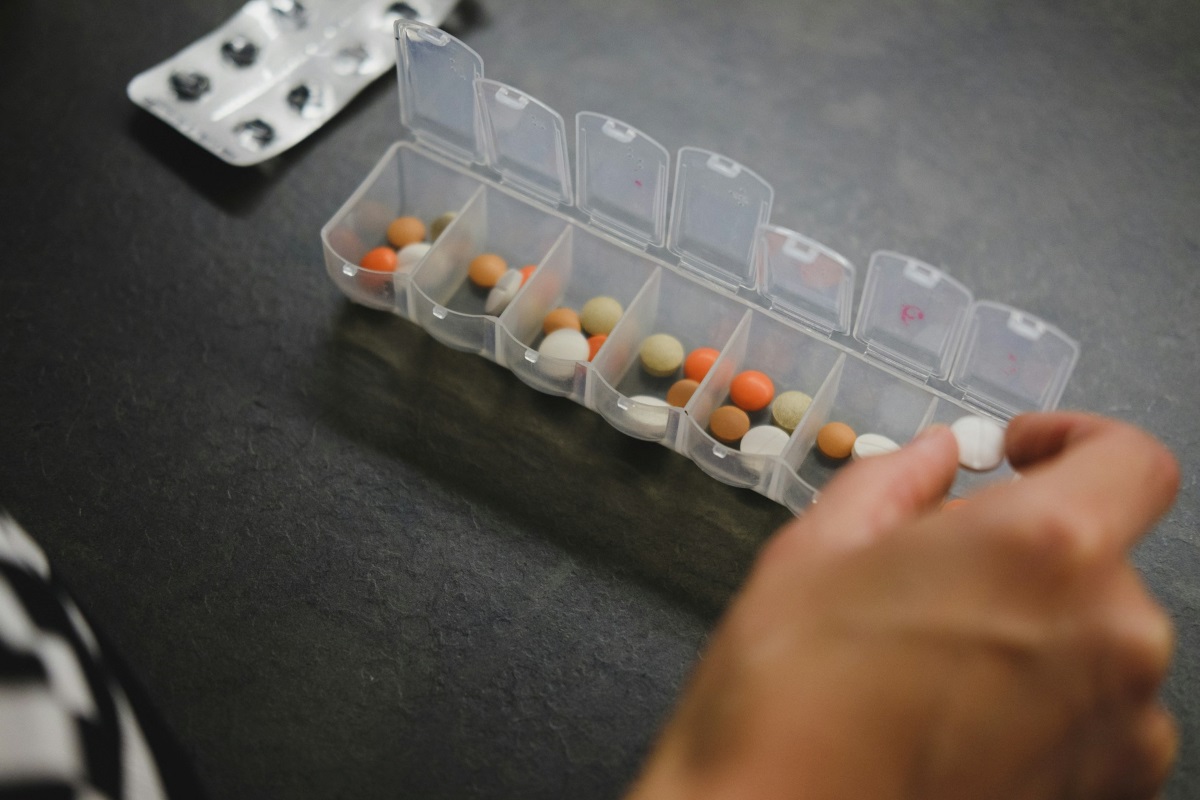
23 / June / 2026 Deprescribing: a growing trend in elderly care Recent studies examine when discontinuing antihypertensives, statins, and other medications may reduce risks for elderly, frail, or polymedicated patients By Samuel Antenor
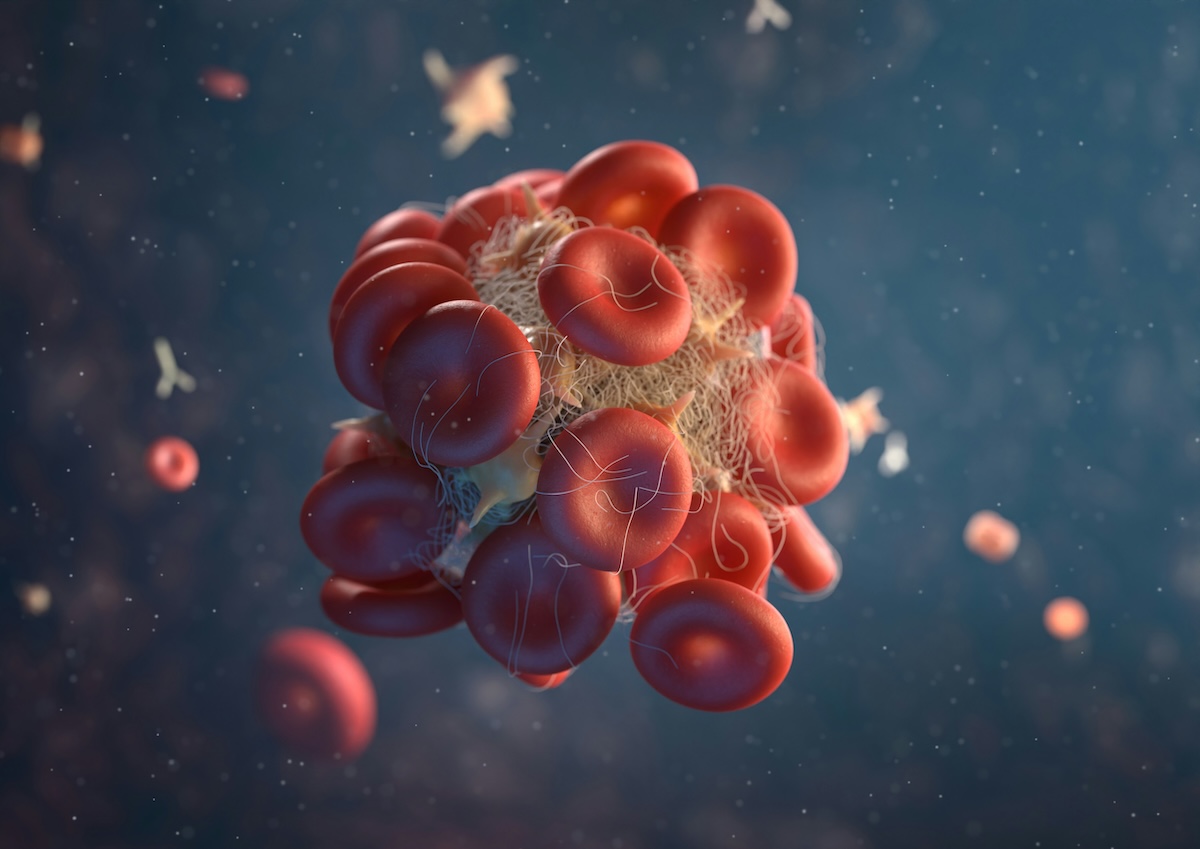
18 / June / 2026 Experimental drug reduces risk of second stroke by 26% International clinical trial involving Brazilian researchers tested asundexian in patients following ischemic stroke By Gilberto Stam
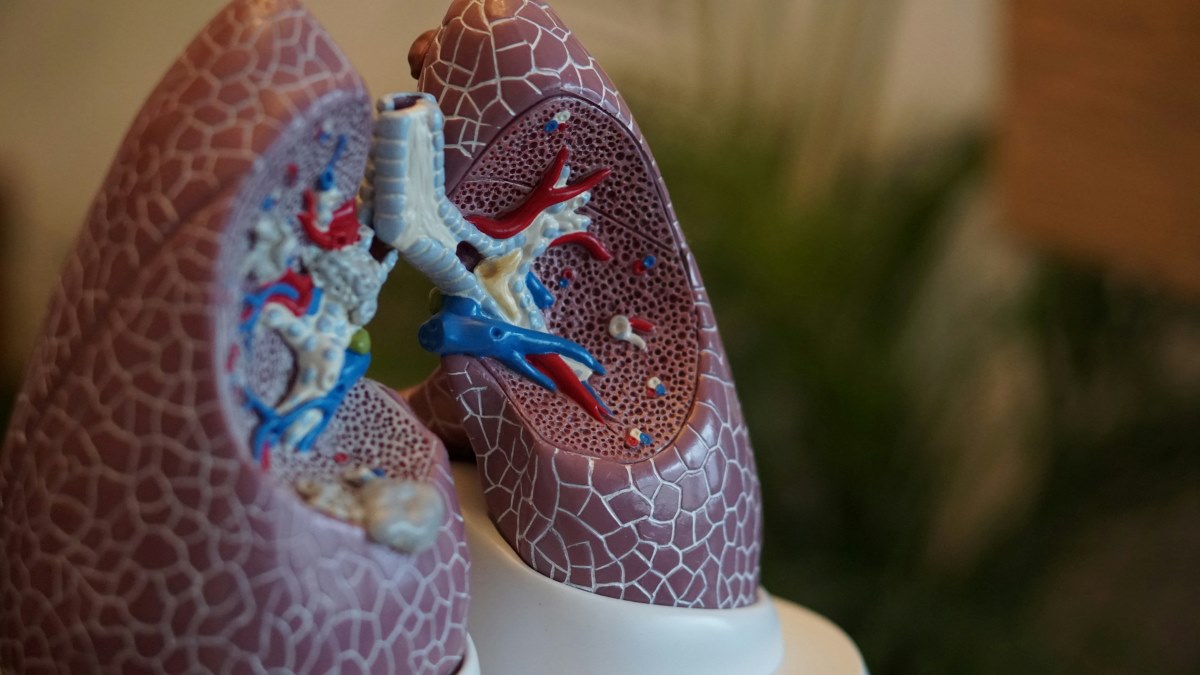
17 / June / 2026 Pulmonary fibrosis: AI-developed drug shows promising early results Clinical trial indicates improvement in a measure of lung function, but safety, efficacy, and use with other populations still need to be confirmed By Daniel Dieb
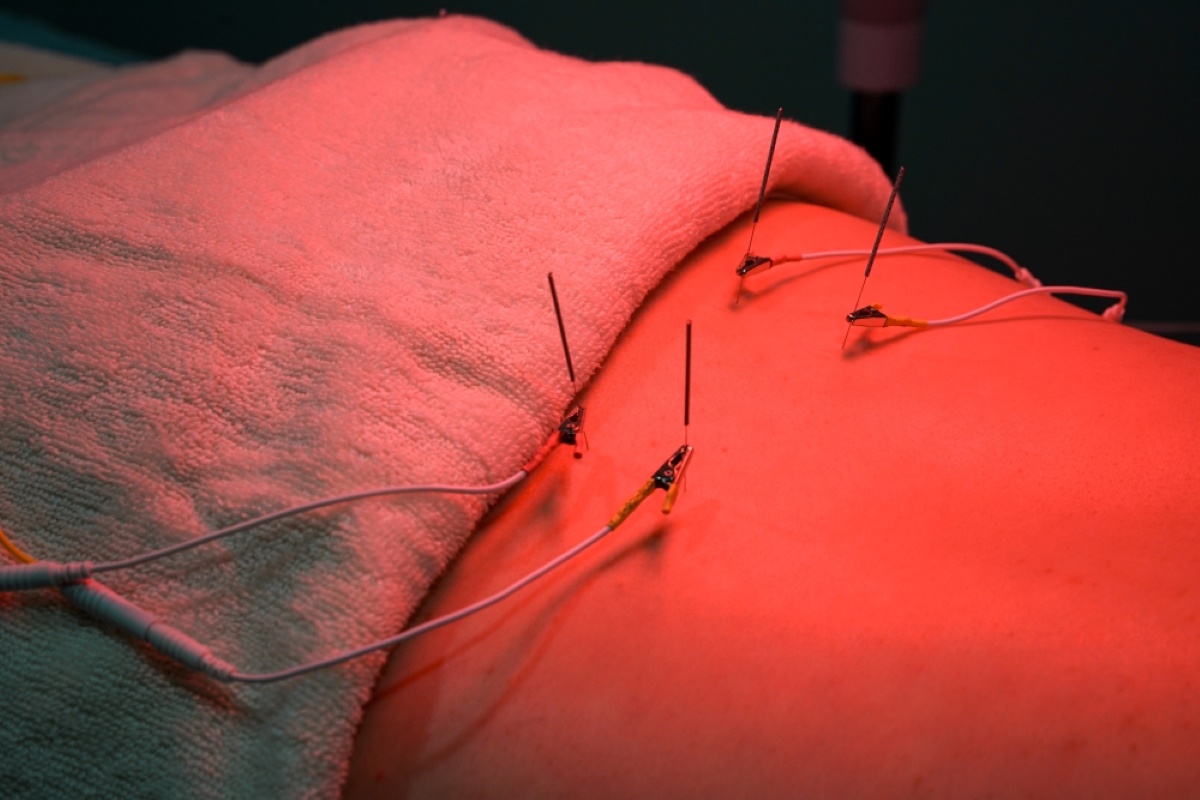
16 / June / 2026 Electroacupuncture may help treat chemotherapy-induced pain Phase 3 study presented at the ASCO Annual Meeting evaluates the technique as a nonpharmacological alternative for peripheral neuropathy in cancer patients By Samuel Antenor
12 / June / 2026 “An endangered species”: what is driving physician-scientists out of science? Survey of 230 US professionals finds that 49% are considering leaving research, for reasons beyond lack of funding By Gilberto Stam
10 / June / 2026 Cancer clinical trials grow more slowly than expected in Brazil, study finds A 20-year analysis shows that the country has made progress but still faces regulatory and cultural barriers, as well as reliance on the pharmaceutical industry. By Gabriela Monteiro
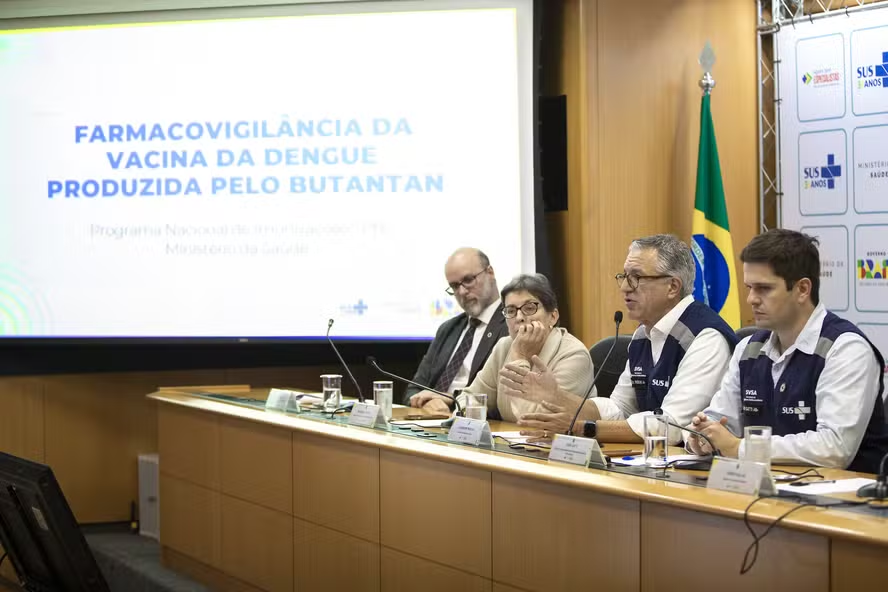
09 / June / 2026 Butantan dengue vaccine: why rigorous testing cannot predict all rare effects After precautionary suspension by the Ministry of Health, Einstein researcher explains how randomized clinical trials and post-approval surveillance work By Editorial staff
05 / June / 2026 Predatory journals exploit pressure on Brazilian researchers to publish A study of more than a thousand researchers shows how questionable journals exploit the “publish or perish” culture to attract submissions By Daniel Dieb
04 / June / 2026 Frontier science takes risk, but Brazil still punishes failure Experts say that truly innovative projects require safer environments in which to make mistakes, recombine knowledge, and challenge paradigms By Daniel Dieb
02 / June / 2026 Pancreatic cancer: Oral drug almost doubles survival in clinical trial Data presented at ASCO 2026 showed that daraxonrasib reduced the risk of death by 60% in patients with metastatic pancreatic cancer By Daniel Dieb