 #News
#News
#News
10.07.2026
Cancer treatments advance, but clinical trials lack diversity
Most drugs are tested on populations from wealthy countries—expanding participation to other regions could make therapies more effective for different patient profiles
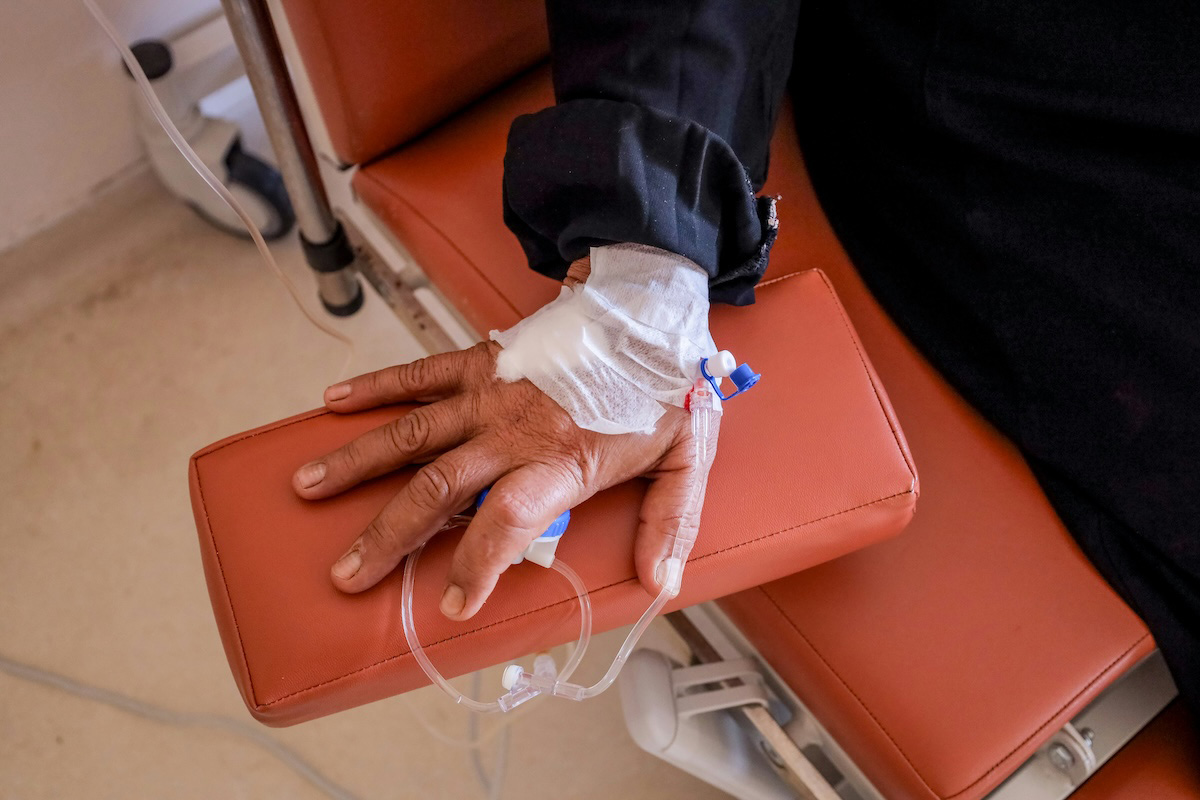 Studies show that increasing the genetic and geographic diversity of clinical trials in oncology could make cancer treatments more effective worldwide | Image: Unsplash
Cancer treatments available today are more advanced than at any other point in the history of medicine. However, this progress obscures an overlooked imbalance: many of these medications were developed and tested primarily in populations from high-income countries, where most cancer research is carried out.
The problem lies in the lack of genetic diversity in the samples studied. Although the drugs are used worldwide, the data supporting their efficacy do not always reflect the range of biological, environmental, and social profiles of the patients who receive them.
Historical dominance and the impact of new countries entering the field
Historically, the United States and Europe have conducted most of the clinical research in oncology, establishing treatment parameters based on relatively homogeneous population groups.
According to experts, this geographical focus could create significant gaps in our understanding of cancer in other regions, such as Latin America, Africa, and parts of Asia.
A study published in the American Cancer Society’s journal Cancer in October 2025 analyzed two decades of clinical trials in oncology (from 2001 to 2020) carried out in low- and middle-income countries.
The authors found that although these nations have increased their contribution to the international scientific literature, this growth remains uneven and depends, to varying degrees, on each country’s economic development.
Without adequate representation in the research, there is a risk of therapies that are less effective or even toxic being offered to Brazilian patients.
Why diversity in clinical trials matters
Genetic factors, dietary habits, environmental conditions, and even differences in access to diagnoses influence how cancer develops and responds to medication.
Studies conducted in low- and middle-income countries help explain how these characteristics—in Latin American, African, or Asian populations—affect treatment outcomes.
Factors explaining why diversity matters in clinical trials
1. Genetics: Distinct biological profiles can alter how cancer responds to the same medication.
2. Eating habits: Diets vary between regions and can influence the progression of certain types of cancer.
3. Environmental conditions: Exposure to pollutants and other environmental factors affects both the risk and progression of the disease.
4. Access to diagnosis: Structural differences in access to testing and early diagnosis determine the stage at which treatment begins.
Expanding clinical research in developing countries helps decentralize science and generates data that are more consistent with local epidemiological characteristics.
The presence of research centers in these regions also tends to accelerate diagnoses, facilitate patient access to innovative therapies, and strengthen national scientific infrastructure.
Urgency reinforced by WHO projections
According to the International Agency for Research on Cancer (IARC), affiliated with the World Health Organization (WHO), global cancer cases are expected to increase by 77% by 2050, from approximately 20 million to more than 35 million diagnoses per year. The impact is forecast to be proportionally greater in countries with a low or medium Human Development Index (HDI).
Researchers argue that this outlook underscores the urgency of including historically underrepresented populations in global scientific research.
More than merely a matter of geographical distribution, expanding clinical research is seen as an important step towards developing treatments that are more effective, inclusive, and compatible with the true diversity of patients around the world.
*
This article may be republished online under the CC-BY-NC-ND Creative Commons license.
The text must not be edited and the author(s) and source (Science Arena) must be credited.