 #News
#News
#News
30.07.2026

Videoconference breathing exercises benefit COPD patients
Brazilian clinical trial shows eight weeks of telerehabilitation can improve functional capacity and alleviate shortness of breath
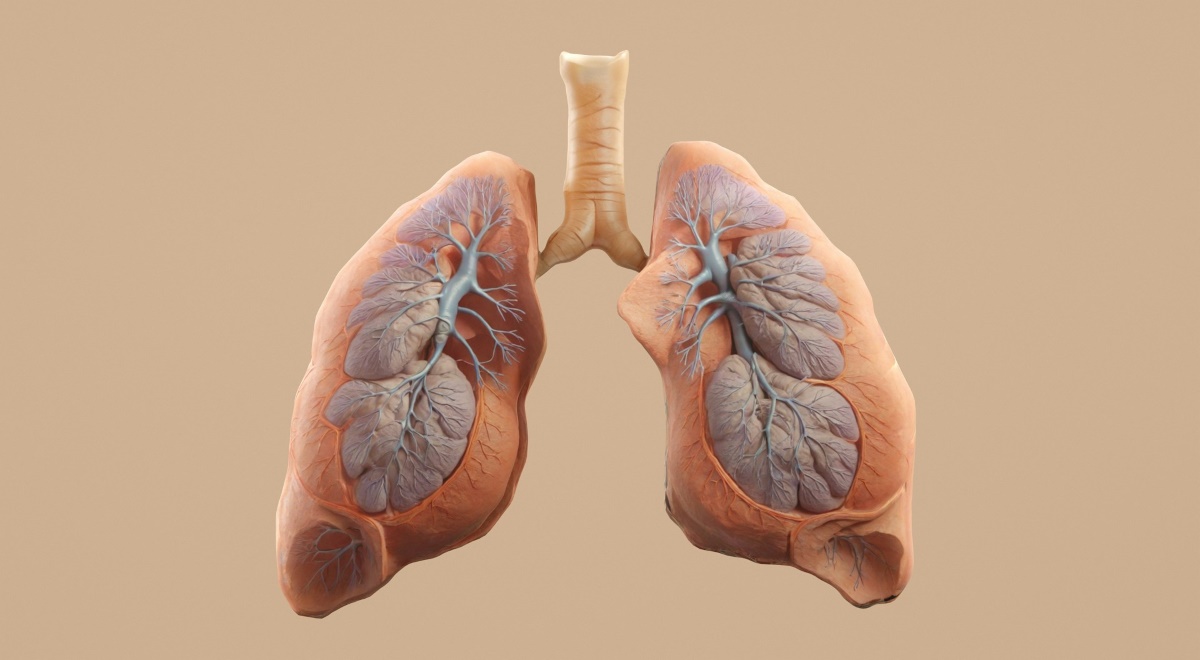 Brazilian study finds that breathing exercises supervised via videoconference can improve the functional capacity of COPD patients and reduce shortness of breath immediately after a session | Image: Unsplash
A Brazilian study published in the journal Einstein in November 2025 found that telerehabilitation breathing exercises can significantly improve the functional capacity of people diagnosed with chronic obstructive pulmonary disease (COPD).
The research was carried out by a team from Cesumar University (UniCesumar), the State University of Maringá (UEM), and the Thelma Villanova Kasprowicz Municipal Hospital of Maringá, in the southern state of Paraná.
COPD is a condition characterized by progressive airflow obstruction, generally associated with smoking and aging. The most common symptoms are shortness of breath, fatigue, and difficulties performing daily activities.
The authors noted that although traditional pulmonary rehabilitation is considered fundamental to COPD treatment, many patients find it difficult to attend in-person programs due to issues such as geographical distance, limited resources, and availability of services or appointments.
To investigate whether a remote model could expand access to treatment without compromising its effectiveness, the researchers conducted a randomized clinical trial involving 60 men and women with COPD, aged 58 to 64, randomly divided into two groups.
One group participated in remote sessions of breathing exercises and health education, while the other received the remote health education program only.
The services were delivered by videoconference, allowing participants to take part from their own homes, over an eight-week period.
Telerehabilitation with breathing exercises
The exercises used during the telerehabilitation sessions included techniques such as diaphragmatic breathing, which encourages the use of the diaphragm—the main breathing muscle—and pursed-lip breathing, in which patients exhale slowly while keeping their lips partially closed.
According to the authors, these techniques are used in pulmonary rehabilitation to improve respiratory muscle function and to help manage symptoms such as shortness of breath.
The supervised 20-minute sessions were held five times a week, with 15 minutes of breathing exercises and five minutes to assess symptoms.
During the virtual sessions, patients positioned their cell phones so that the researchers could ensure the exercises were being done correctly in real time.
Both groups also took part in weekly educational meetings on topics such as quitting smoking, physical activity, sleep quality, emotional control, and early recognition of respiratory crises.
To evaluate the effects of the interventions, the scientists used several clinical tools, including the six-minute walk test, widely used to measure the functional capacity of patients with respiratory diseases.
The test measures the maximum distance a person can walk in six minutes—the greater the distance covered, the better the physical performance.
The researchers also measured the participants’ peripheral oxygen saturation (which indicates how much oxygen is being carried by the blood) and the reported intensity of shortness of breath.
Impact of the remote therapy
The results showed improvements in both groups, but the benefits were greater among patients who performed the respiratory exercises.
Before the intervention, participants in the breathing exercises group walked an average of 307 meters in the six-minute test. After eight weeks, the average increased to 363 meters.
In the group that received only health education, the distance increased from approximately 306 to 323 meters.
The study also found improvements in blood oxygenation in both groups after the eight-week follow-up period.
In assessments conducted immediately before and after each session, the breathing exercise group showed a significant reduction in shortness of breath.
However, in the overall assessment of dyspnea after eight weeks, there was no significant difference between the two groups.
The authors note that telerehabilitation has grown in importance since the COVID-19 pandemic, when remote models emerged as a safe alternative for monitoring people with chronic diseases.
According to the researchers, the widespread use of smartphones could facilitate implementation of this type of program at scale.
Although the findings are considered promising, the scientists acknowledge that the research had limitations, such as the follow-up period of just eight weeks.
More widespread and longer studies will be needed to determine the duration of the benefits and whether the approach is effective in different populations.
Reference
Toledo K.F., Bertolini S.M., Mello S.T., Rodrigues Junior G.M. Telerehabilitation with breathing exercises as a strategy to improve functional capacity of patients with chronic obstructive pulmonary disease: randomized clinical trial. Einstein (São Paulo). 2025; 23: eAO1182. https://dx.doi.org/10.31744/einstein_journal/2025AO1182
*
This article may be republished online under the CC-BY-NC-ND Creative Commons license.
The text must not be edited and the author(s) and source (Science Arena) must be credited.