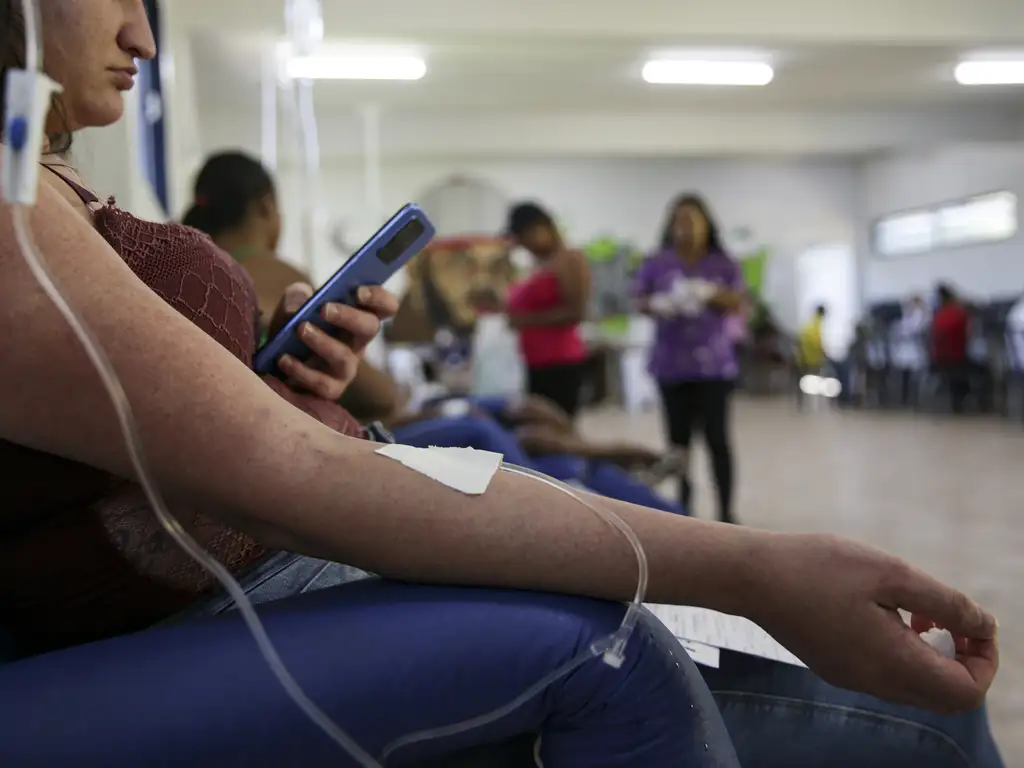
10 / April / 2026 DATASUS: why Brazil collects so much health data—but still makes few decisions using it Open-access databases have put Brazil on the global map, but fragmentation and gaps make it difficult to turn information into health decisions Por Marília Marasciulo
07 / April / 2026 Agonists and antagonists: drugs to modulate body signals From asthma inhalers to monoclonal antibodies: how drugs “talk” to cells Por Yasmim Cunha
24 / March / 2026 The impact of AI on scientific careers in three phases Researcher from Einstein Hospital Israelita maps how generative AI is expected to transform the routines of researchers Por Editorial staff
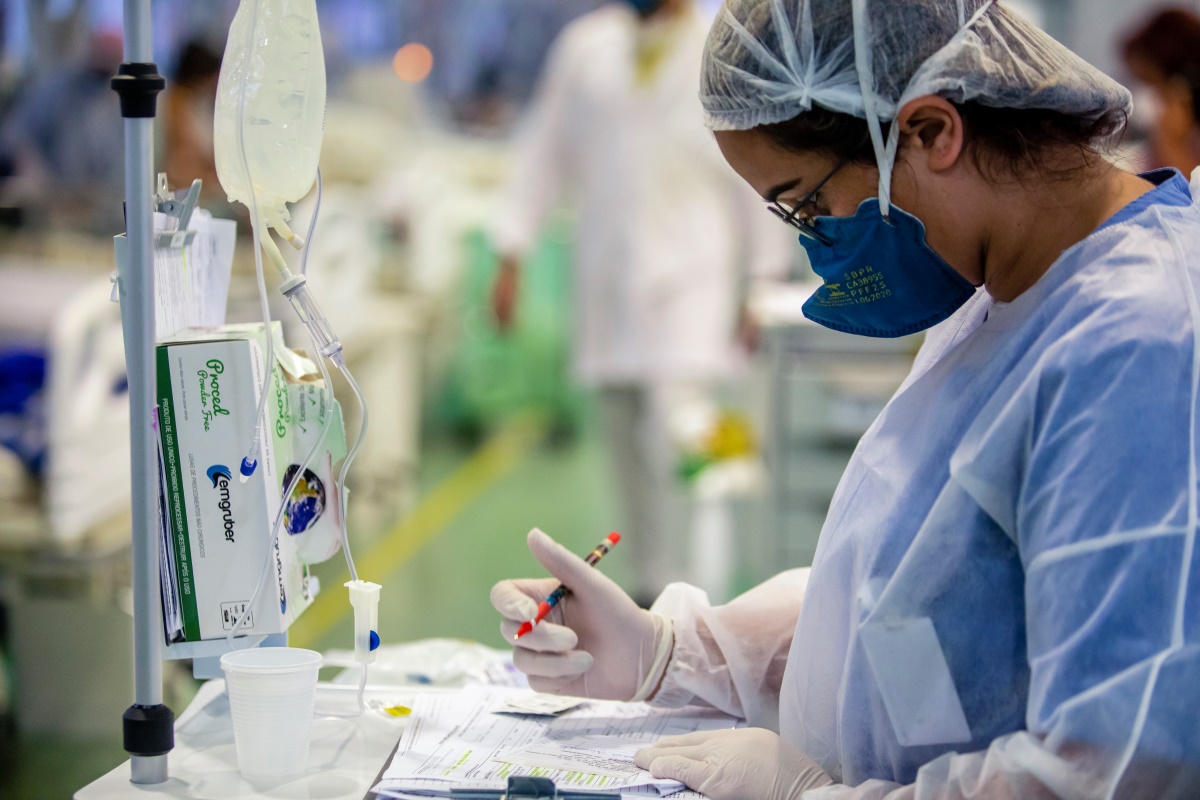
16 / March / 2026 Software and physicians show similar performance in estimating ICU length of stay Brazilian study identifies limitations in projections based on both clinical experience and digital tools, but highlights that both can be important allies in resource management Por Arthur Almeida
05 / March / 2026 8 strategic applications of AI in medicine Language models are being incorporated into core areas of care, but a study warns that the technology is still incipient and exposes security and bias risks Por Marília Marasciulo
04 / March / 2026 Only 12 Brazilian universities regulate the use of AI USP survey finds that artificial intelligence governance is progressing slowly in higher education; expert calls for a pedagogical, nonpunitive approach Por Samuel Fernandes
26 / February / 2026 ChatGPT 4.0 scores 77% and Gemini 2.5 scores 81% on medical residency exams Study of OpenAI and Google models suggests educational potential but highlights ethical limits and lack of practical experience Por Arthur Almeida
18 / February / 2026 How is AI reshaping scientific practice—and why does this require governance and ethical reflection? Incorporating artificial intelligence into research routines increases productivity but poses new challenges for transparency and institutional accountability Por Bruno de Pierro
13 / February / 2026 Deep techs and Brazil’s development Research at universities shows that cutting-edge science, a sound legal framework, and strong institutional support can turn new knowledge into economic and social impact Por André Galembeck
06 / February / 2026 Can specific experiences serve as a parameter for different research professionals? Based on studies of AI, the researcher highlights the need to assimilate the various dimensions of digital life and their influence on science careers Por Camila De Paoli Leporace