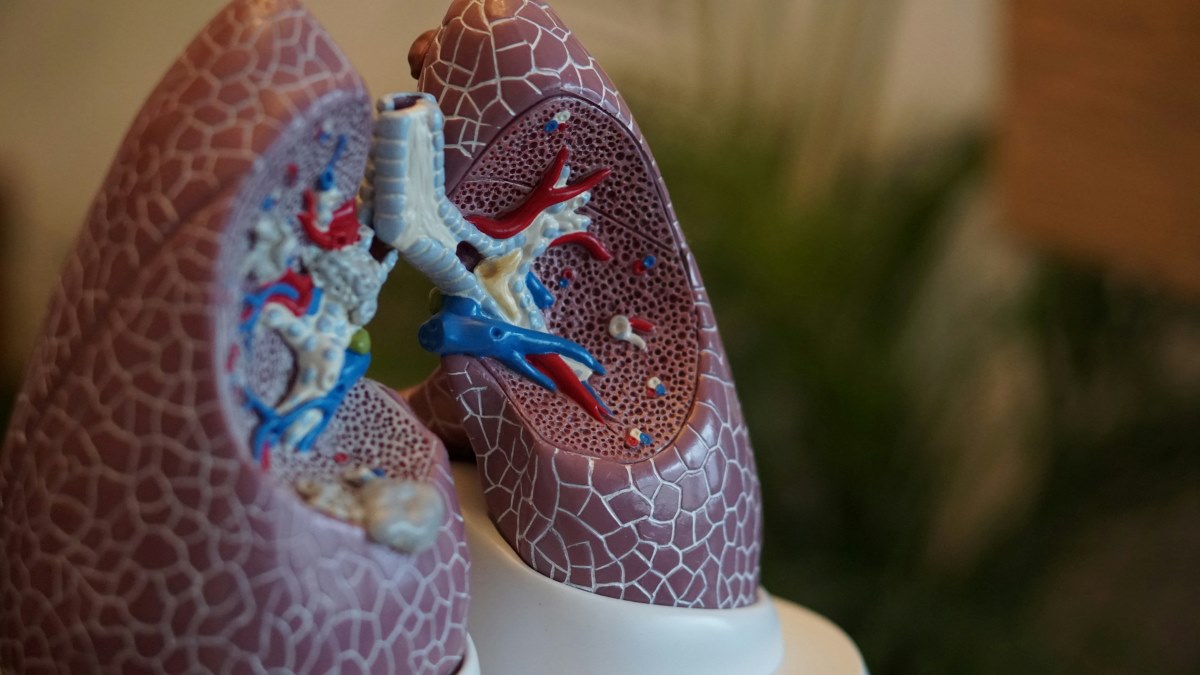
17 / June / 2026 Pulmonary fibrosis: AI-developed drug shows promising early results Clinical trial indicates improvement in a measure of lung function, but safety, efficacy, and use with other populations still need to be confirmed Por Daniel Dieb
15 / June / 2026 Scientific writing: a step-by-step guide to the ethical use of AI Tools can automate tasks and refine text, but transparency and human involvement remain the cornerstones of scientific output Por Juliana Protásio
28 / May / 2026 “The risk isn’t AI, but delegating intellectual work to the machine,” researcher says Fernanda Scussel believes artificial intelligence tools can expedite research, but they require careful checks, well-crafted prompts, and clarity about authorship Por Gabriela Monteiro
22 / May / 2026 How to use AI tools in scientific production Find out which artificial intelligence tools are best suited to each stage of drafting a scientific paper Por Editorial staff
22 / May / 2026 AI guide for science: Key tools for producing novel research papers João Brainer, a clinical researcher at Einstein, explains the potential and limitations of the AI technologies transforming academic output Por Juliana Protásio
18 / May / 2026 From single cells to precision medicine Using single-cell RNA sequencing, the Human Cell Atlas is redefining our understanding of human cellular diversity and opening new doors for precision medicine Por Samuel Antenor
13 / May / 2026 Artificial intelligence: how does it generate uncertainty in science? See what the expert says Sociologist Glauco Arbix of USP says the current scenario requires not only technical proficiency, but also critical reflection on the role of the researcher Por Editorial staff
21 / April / 2026 Adopting emerging technologies in early career enhances visibility and scientific impact Editorial outlines practical guidelines for researchers seeking greater visibility by adopting largely unexplored early-stage methods and technologies Por Yasmim Cunha
16 / April / 2026 Can social media impact your health? Case against Meta and YouTube reignites debate Researcher compares the impact of Big Tech to that of the tobacco industry and advocates for new regulatory framework to protect children and adolescents Por Gabriela Monteiro
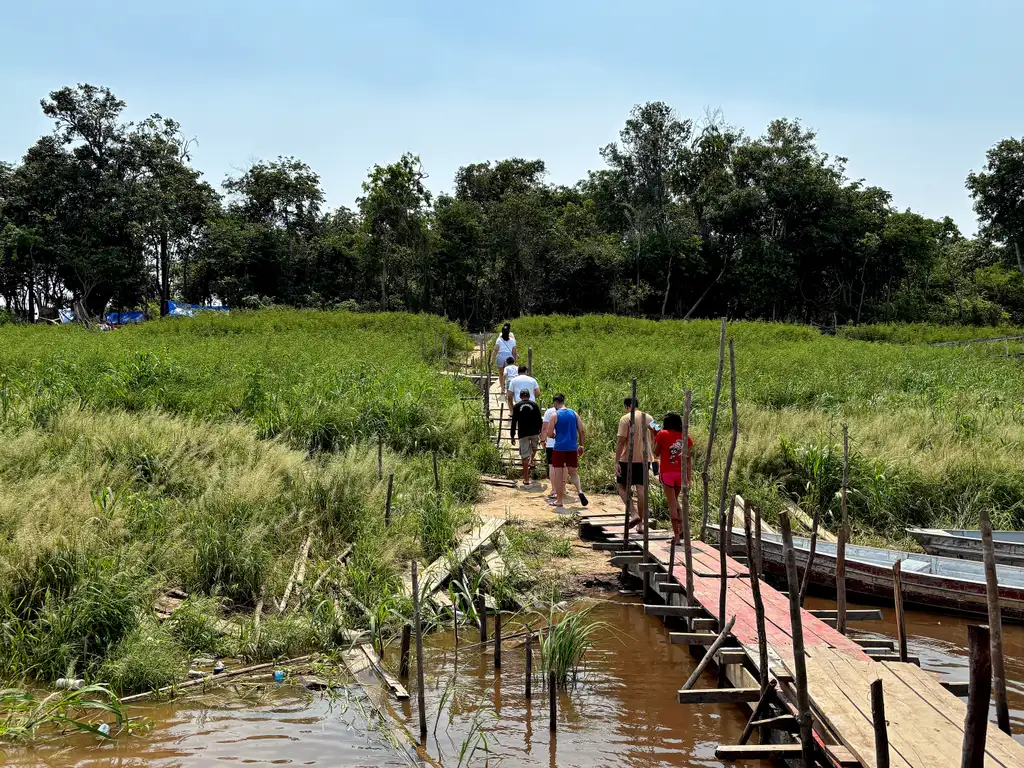
14 / April / 2026 Technology helps identify malaria transmission zones in Brazil By analyzing location data from the mobile phones of residents of Manaus, researchers were able to map high-risk areas with greater precision and speed Por Arthur Almeida