 #News
#News
#News
13.05.2026
Artificial intelligence: how does it generate uncertainty in science? See what the expert says
Sociologist Glauco Arbix of USP says the current scenario requires not only technical proficiency, but also critical reflection on the role of the researcher
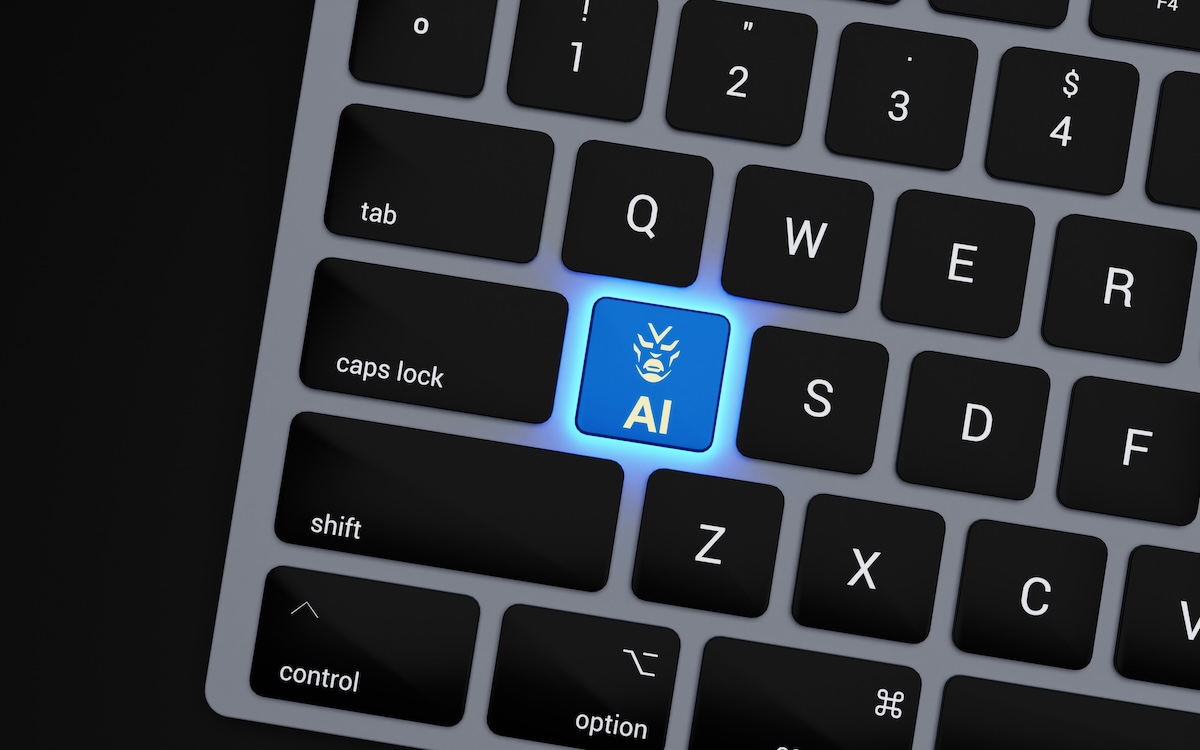
 Artificial intelligence optimizes research processes, but raises issues requiring extra care from scientists, such as the risks associated with the accelerated production of scientific articles without critical scrutiny | Image: Shutterstock
Throughout history, advances in technology have tended to affect different areas of the labor market, since many tools are capable of automating tasks and thus optimizing time. This is what is happening with the incorporation of artificial intelligence (AI) into various fields, including scientific research. Although this technology may represent progress, it can also generate uncertainty among researchers.
In an interview with Science Arena, Glauco Arbix, scientific coordinator of the Responsible AI Chair at the University of São Paulo (USP), highlighted that science itself already exists within a context of instability. This is because society is constantly facing turbulent times, from geopolitical to economic issues.
When it comes to technology, he noted that “all new technologies, especially transformative ones, sometimes carry issues as big as or even bigger than expectations.” The sociologist from USP added: “You hope that life will improve—at the same time, the adoption of technology can generate problems.”
According to Arbix, artificial intelligence optimizes research processes, but brings with it issues that require extra care from scientists, such as the risks associated with accelerated production of scientific articles without critical scrutiny.
AI and bias in scientific research
Research bias is a problem intensified by AI. According to Arbix, this occurs because the data obtained through the tool are mainly produced and stored by companies based in English-speaking countries.
“You can’t prepare to work with Africa or South America,” he says. “Research becomes more homogenized and, therefore, less innovative,” he added.
Another point raised is the need to pay attention to how questions are posed to these platforms because, depending on the query, the tool will respond in the way the researcher wants and not based on evidence.

Inequality in access to artificial intelligence
Although AI is increasingly improving, not all countries have equal access to these tools. The USA and China are both way ahead of the others when it comes to AI development.
According to Arbix, the second group of countries with greater access to this technology includes nations such as Germany, France, and the UK.
“We have major deficiencies in data centers, in workforce qualification, and in access to the advances themselves,” he warned. “If we do not have widespread AI literacy programs to enable people to demystify and use it, if we do not change the way education is being delivered, we will reproduce inequality.”
To read the full content on the uncertainties generated by the use of artificial intelligence in science, see the interview in this feature from Science Arena.
*
This article may be republished online under the CC-BY-NC-ND Creative Commons license.
The text must not be edited and the author(s) and source (Science Arena) must be credited.