 #News
#News
#News
16.06.2026
Electroacupuncture may help treat chemotherapy-induced pain
Phase 3 study presented at the ASCO Annual Meeting evaluates the technique as a nonpharmacological alternative for peripheral neuropathy in cancer patients
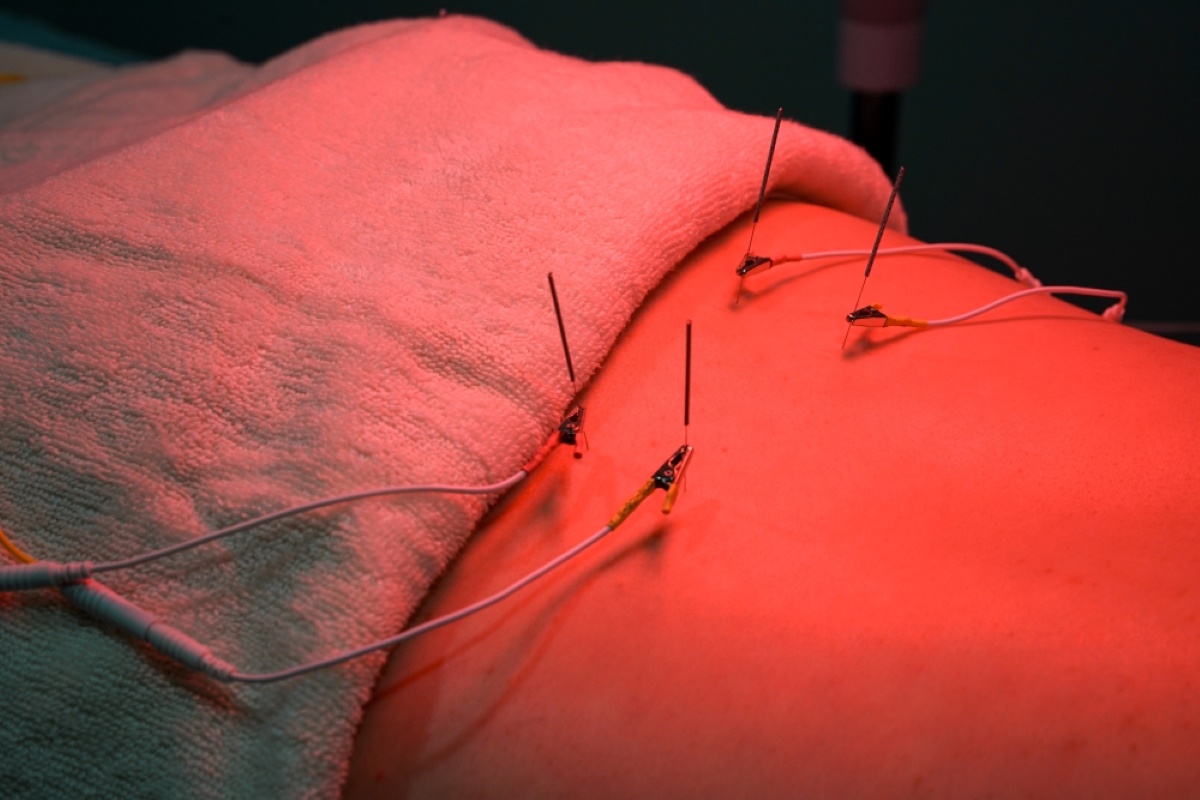 Acupuncture needles connected to a low-intensity electrical stimulator may enhance pain-relieving effects in cancer patients | Image: Shutterstock
Electroacupuncture may become a new ally in the treatment of chemotherapy-induced peripheral neuropathy (CIPN), one of the most common and debilitating complications faced by cancer patients, according to a study published in the June issue of the Journal of Clinical Oncology.
Preliminary data from the study—a phase 3 randomized clinical trial conducted in the United States—were presented during the annual meeting of the American Society of Clinical Oncology (ASCO), held May 29–June 2 in Chicago (USA), in the session on Supportive Care and Integrative Medicine.
Caused by certain chemotherapy drugs and the doses administered, CIPN can cause pain, tingling, loss of sensation, and functional limitations—symptoms that can persist for months or years, even after treatment ends.
Despite its high incidence and significant impact on the quality of life of cancer patients, there are still few effective alternatives for managing it.
During the study, the researchers sought to evaluate whether electroacupuncture—a technique that enhances traditional acupuncture by applying low-intensity electrical stimulation via needles inserted into points on the body—would be more effective than sham acupuncture in relieving persistent neuropathic pain following chemotherapy treatment.
Acupuncture is one of the Integrative and Complementary Health Practices (PICS), as described in a Science Arena article published in 2024 on how integrative approaches can support oncology, provided they are evidence-based for managing the adverse effects of cancer and its treatment.
In Brazil, the technique is part of the National Policy on Integrative and Complementary Practices (PNPIC), implemented by the Ministry of Health to incorporate these practices into the nation’s Unified Health System (SUS), with a focus on disease prevention, health promotion, and humanized and comprehensive ongoing care.
Non-pharmacological alternative
A total of 255 patients were recruited for the study, having completed chemotherapy at least three months prior and experiencing moderate to severe neuropathic pain. The sample included patients of diverse racial and ethnic backgrounds with a history of breast, colorectal, and ovarian cancers, among other tumors.
Ten sessions were conducted over eight weeks, followed by a period of monitoring. Initial results showed a high burden of symptoms, demonstrating the magnitude of the problem and the need for new treatment strategies.
According to the researchers, the participant group adequately represents the population affected by chemotherapy-induced neuropathy, increasing the potential applicability of the results in clinical practice.
Although efficacy analyses have not yet been released, the study highlights the importance of investigating new therapeutic strategies that can complement or reduce reliance on pain management medications among cancer patients.
Based on the study’s preliminary findings, electroacupuncture may emerge as a non-pharmacological alternative for managing neuropathic pain and improving quality of life for patients with different types of cancer.
According to the study, with positive results the intervention could expand the range of evidence-based integrative approaches available for managing the late effects of cancer treatment.
Outcome analyses will be reported at a later date, but they are expected to indicate whether electroacupuncture can offer meaningful clinical benefits for patients with no evidence of disease or with stable conditions.
*
This article may be republished online under the CC-BY-NC-ND Creative Commons license.
The text must not be edited and the author(s) and source (Science Arena) must be credited.