 #News
#News
#News
29.04.2026

Brazilian study shows COVID-19 can lead to profound hearing loss
A combination of the effects of SARS-CoV-2, the inflammatory response, and intensive treatments may explain the serious health outcome
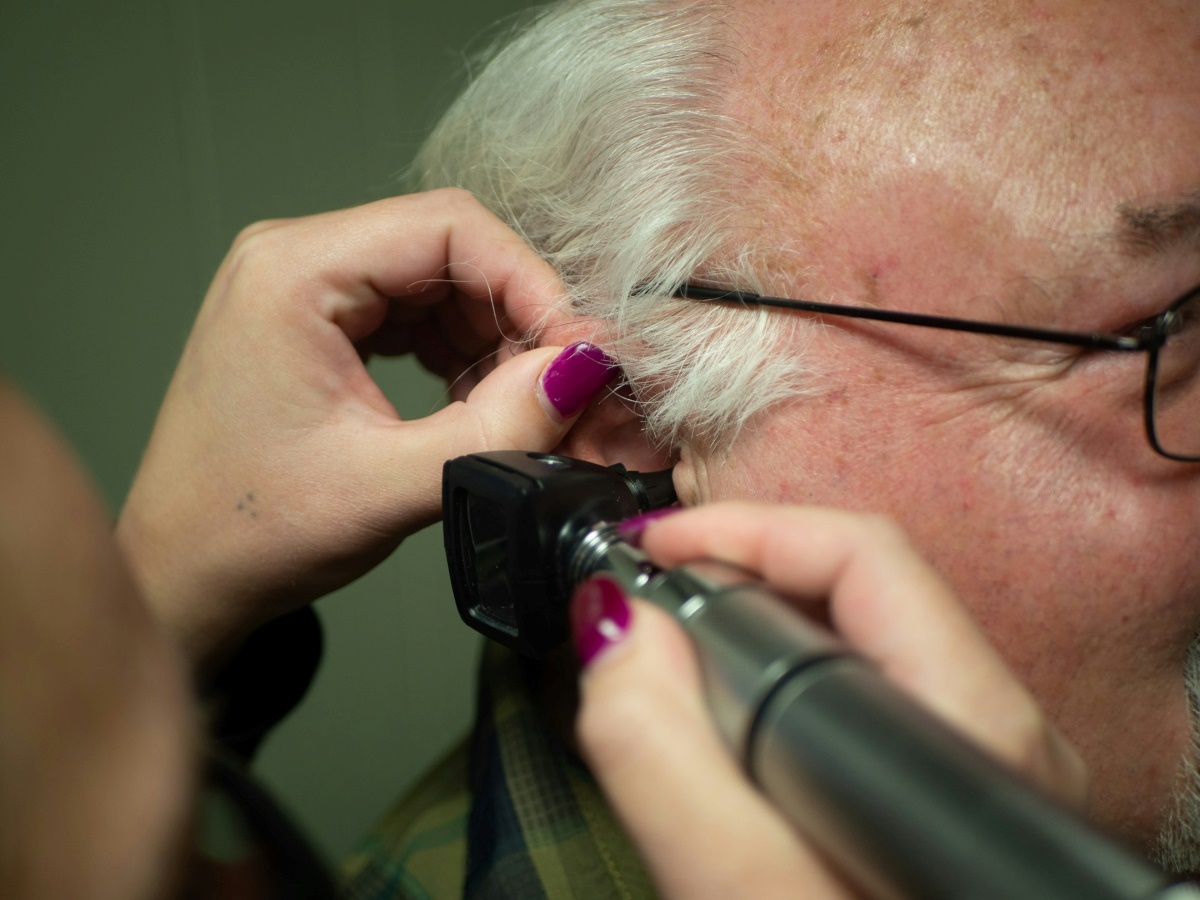 A group of Brazilian researchers analyzed seven clinical cases involving patients who developed profound sensorineural hearing loss after contracting COVID-19; one hypothesis is that the virus itself may affect the inner ear, causing inflammation or damage | Image: Anthony Camerlo / Unsplash
When the Covid-19 pandemic first broke out, the public and scientific debate was dominated by concern about respiratory impacts. As research on the SARS-CoV-2 virus progressed, however, it became clear that its impact is not confined to the lungs. In fact, it is capable of damaging multiple organs in the body. As a result, the virus can cause a wide range of symptoms.
With this in mind, a team of researchers from Einstein Hospital Israelita, the Federal University of São Paulo (UNIFESP), and the Federal University of Rio Grande do Sul (UFRGS) set out to investigate its link with severe hearing loss. Despite being one of the most potentially devastating complications of the viral infection, it is also one of the least discussed among experts.
The team analyzed seven clinical cases involving patients who developed profound sensorineural hearing loss after contracting COVID-19.
This type of hearing loss is usually caused by damage to the inner ear or the auditory nerve. Details of the findings were shared in an article published in the journal Einstein in February.
Study design
The researchers used a case series methodology, observing and describing a small group of patients who presented with similar conditions.
Rather than seeking to prove cause or effect with statistical rigor, this approach aims to identify shared characteristics, generate hypotheses, and detect possible clinical patterns.
It is particularly useful for investigating new or poorly understood phenomena (as was the case with COVID-19), serving as a starting point for broader, more controlled future studies.
The team of researchers reviewed clinical histories, analyzed the treatments patients received, and conducted standardized audiological tests (such as pure-tone audiometry, which measures the ability to hear different sound frequencies and intensities) and functional assessments.
With this strategy, they identified several recurring characteristics among individuals with profound sensorineural hearing loss:
- No history of significant hearing loss in any of the cases.
- Bilateral hearing loss (in both ears) in all cases.
- High severity levels, with hearing thresholds frequently above 90 decibels (a range considered severe to profound).
- Onset of symptoms during or shortly after hospitalization for COVID-19.
In clinical terms, this means the patients went from functional hearing to severe communicative impairment over a relatively short period of time.
Medical interventions
Audiometric testing revealed that the patients experienced not only reduced sensitivity to sound, but also impaired auditory discrimination, meaning they had difficulty distinguishing words at higher volumes. As a result, many did not benefit from conventional hearing aids.
In most cases, cochlear implants were recommended. While the device can partially restore sound perception, it does not reestablish natural hearing and requires intensive rehabilitation.
In the most severe cases, patients were referred for sequential surgical interventions.
Factors behind the hearing loss
Although the study found a link between COVID-19 and severe hearing loss, the authors were unable to pinpoint a single explanation for the phenomenon.
They highlight that the problem likely results from a combination of factors acting simultaneously, making it difficult to identify a single cause.
One theory is that the virus directly affects the inner ear, causing inflammation or damage to structures essential for hearing.
The intense inflammatory response that occurs in severe cases may also damage the auditory nerve and other parts of the auditory system.
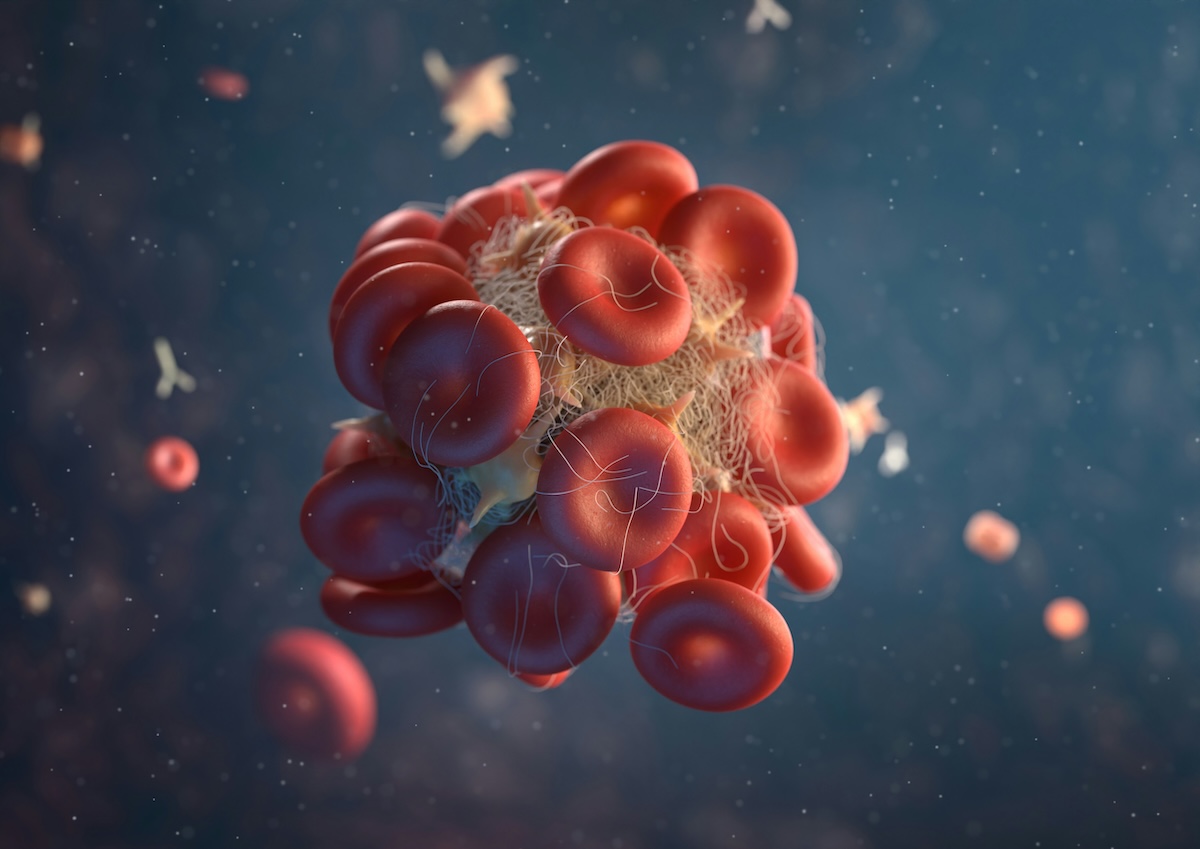
Blood circulation may also be a factor. COVID-19 is associated with increased formation of blood clots, which can impair blood flow in the cochlea.
This structure within the ear is so sensitive that even minor changes can cause significant hearing loss.
Finally, the researchers considered the impact of treatments used while patients were hospitalized. Potentially ototoxic medications, such as some antibiotics, can worsen existing damage or even trigger new hearing problems.
Reference
Mangabeira Albernaz, P. L., Costa, S. S., Nitz, V. O. SARS-CoV-2 infection and profound hearing loss: much more than a coincidence. Einstein (São Paulo). 2026;24:eAO1126. https://dx.doi.org/10.31744/einstein_journal/2026AO1126
*
This article may be republished online under the CC-BY-NC-ND Creative Commons license.
The text must not be edited and the author(s) and source (Science Arena) must be credited.