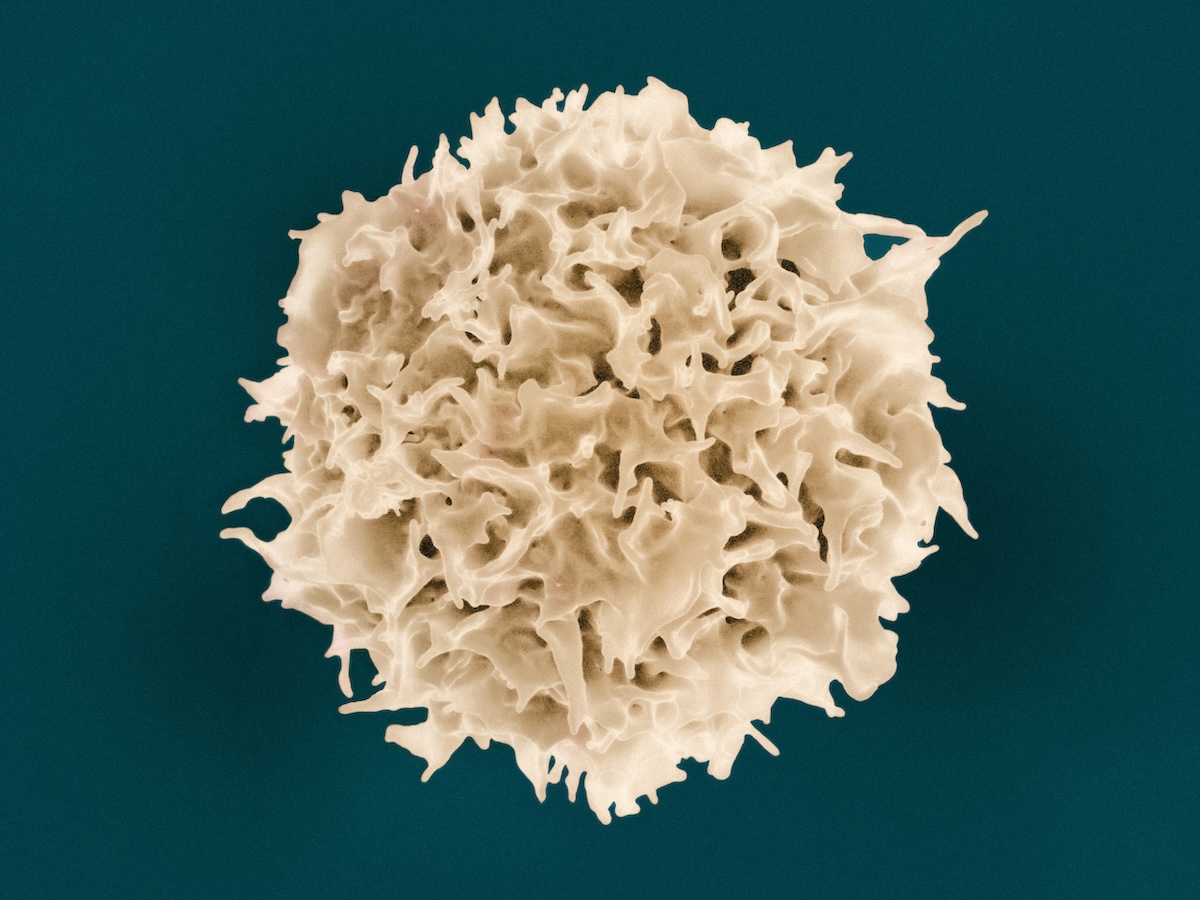
29 / May / 2026 Leukemia caused by a virus transmitted through breastfeeding could be prevented with maternal screening With incidence rates up to 32 times higher among Caribbean immigrants and cases often mistaken for other lymphomas, ATLL is an underrecognized disease for which Japan now has prevention measures By Gilberto Stam
25 / May / 2026 National Clinical Research Program set to speed up new drug and therapy development in Brazil Besides increasing patient diversity in clinical trials, the Ministry of Health program seeks to accelerate drug development in Brazil By Samuel Antenor
21 / May / 2026 Studies give greater voice to young people to improve mental healthcare A study found that 85% of female university students experienced depression during the pandemic and suggests digital tools could help expand access to care By Samuel Fernandes
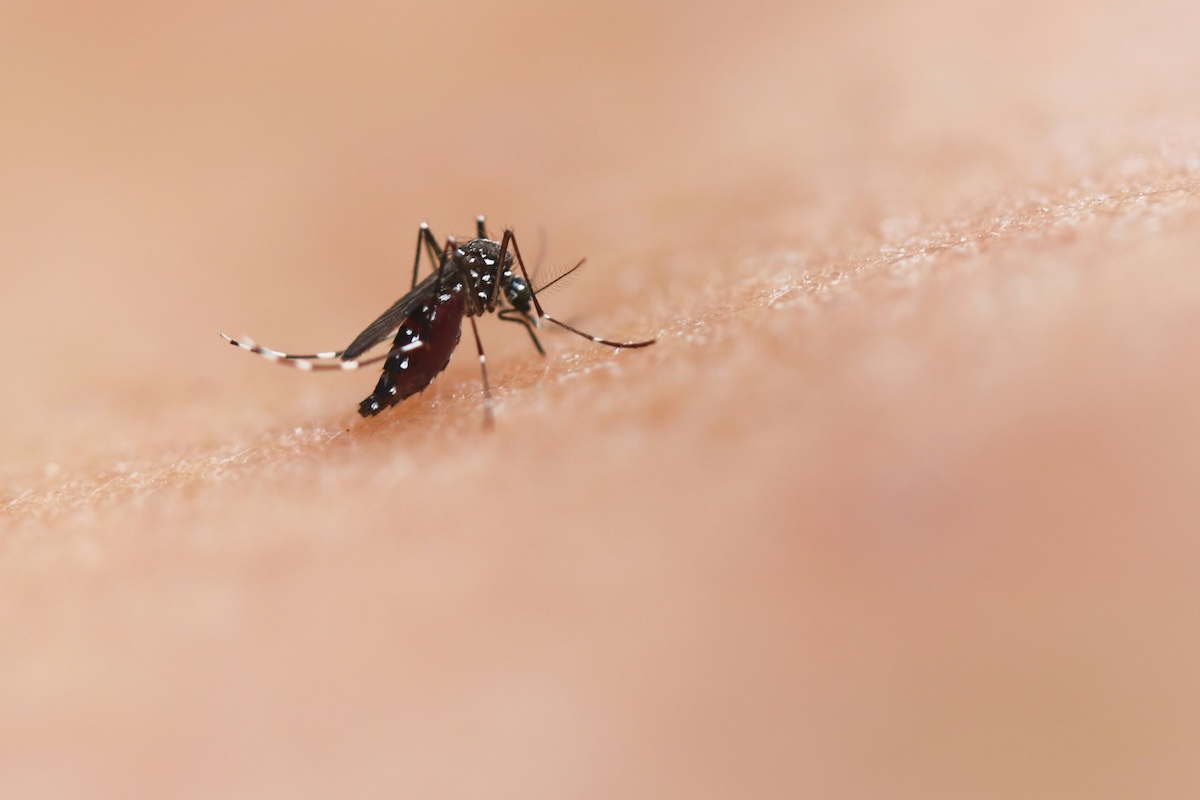
20 / May / 2026 Why Zika has nearly disappeared in Brazil—and why scientists are still concerned With microcephaly cases still being reported, Brazilian researchers have been mapping advances since 2015, hypotheses for the decline of Zika, and as-yet unanswered questions By Daniel Dieb
18 / May / 2026 From single cells to precision medicine Using single-cell RNA sequencing, the Human Cell Atlas is redefining our understanding of human cellular diversity and opening new doors for precision medicine By Samuel Antenor
15 / May / 2026 Most PhDs work outside academia, but doctoral programs do not prepare them for this career path A review of 71 publications identifies a gap between PhD training and non-academic careers and highlights what universities and governments need to change By Daniel Dieb
13 / May / 2026 Artificial intelligence: how does it generate uncertainty in science? See what the expert says Sociologist Glauco Arbix of USP says the current scenario requires not only technical proficiency, but also critical reflection on the role of the researcher By Editorial staff
07 / May / 2026 Experienced researchers frequent among authors in predatory journals Pressure to publish and loopholes in Qualis favor journals that forgo peer review and guarantee quick publication By Samuel Fernandes
05 / May / 2026 Norwegian writing methodology increases approval rate of scientific funding proposals by 30% Courses at the Bjerknes Centre for Climate Research reverse the traditional approach, posting approval rates of between 15% and 30% By Gilberto Stam
04 / May / 2026 Bureaucracy, rigid hierarchies, and brain drain limit research in Brazil, study says A survey of more than one hundred researchers from Brazil, China, Germany, and India maps the factors that drive (and hinder) scientific excellence By Daniel Dieb